New Stellar Blade Ad Sparks Fan Buzz Over Quirky Therapy Promo
New Stellar Blade Ad Sparks Fan Buzz Over Quirky Therapy Promo
The gaming industry has never been a stranger to bizarre, memorable, and eyebrow-raising promotional campaigns. From the surreal baby doll commercials of the PlayStation 3 era to the rebellious live-action spots of the 1990s, console makers have often stepped outside the box to capture attention. Now, a creative and slightly unhinged advertisement for the hit action title Stellar Blade has taken the internet by storm, sparking conversations across social media platforms, Reddit threads, and gaming forums.
Originally highlighted by gaming outlet Kotaku, the new promotional spot takes a humorous, psychological angle on player obsession. The advertisement features an exaggerated premise centered around therapy, intense emotional attachment, and the undeniable visual magnetism of the game’s protagonist, Eve. For fans who have spent months tracking the post-apocalyptic action title developed by South Korean studio Shift Up, this creative campaign offers plenty of laughs, sharp self-awareness, and a clever commentary on modern gamer culture.
In this comprehensive breakdown, we examine what makes this advertisement so striking, how it reflects the broader cultural conversation surrounding Stellar Blade, and why this brand of offbeat video game marketing is making a welcome comeback.
Inside the Commercial: A Creative Look at Gamer Fixation
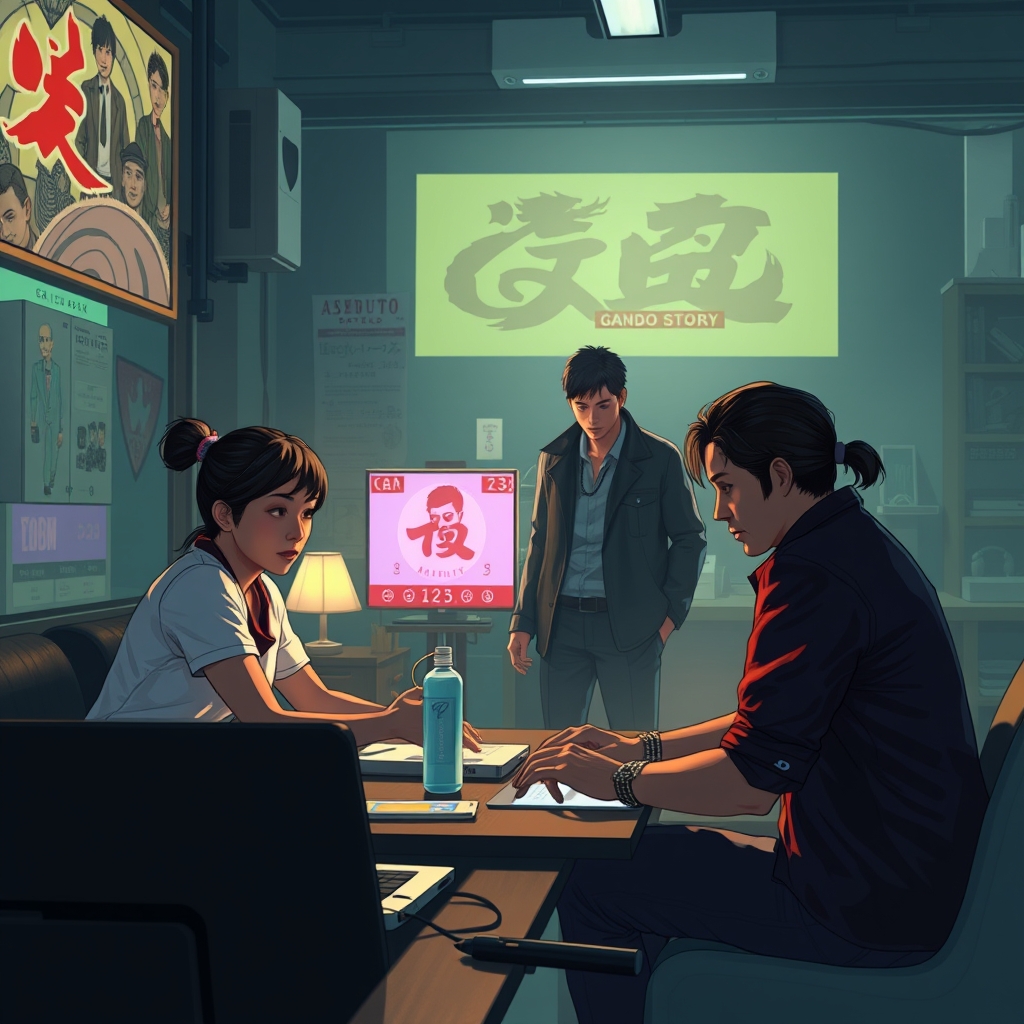
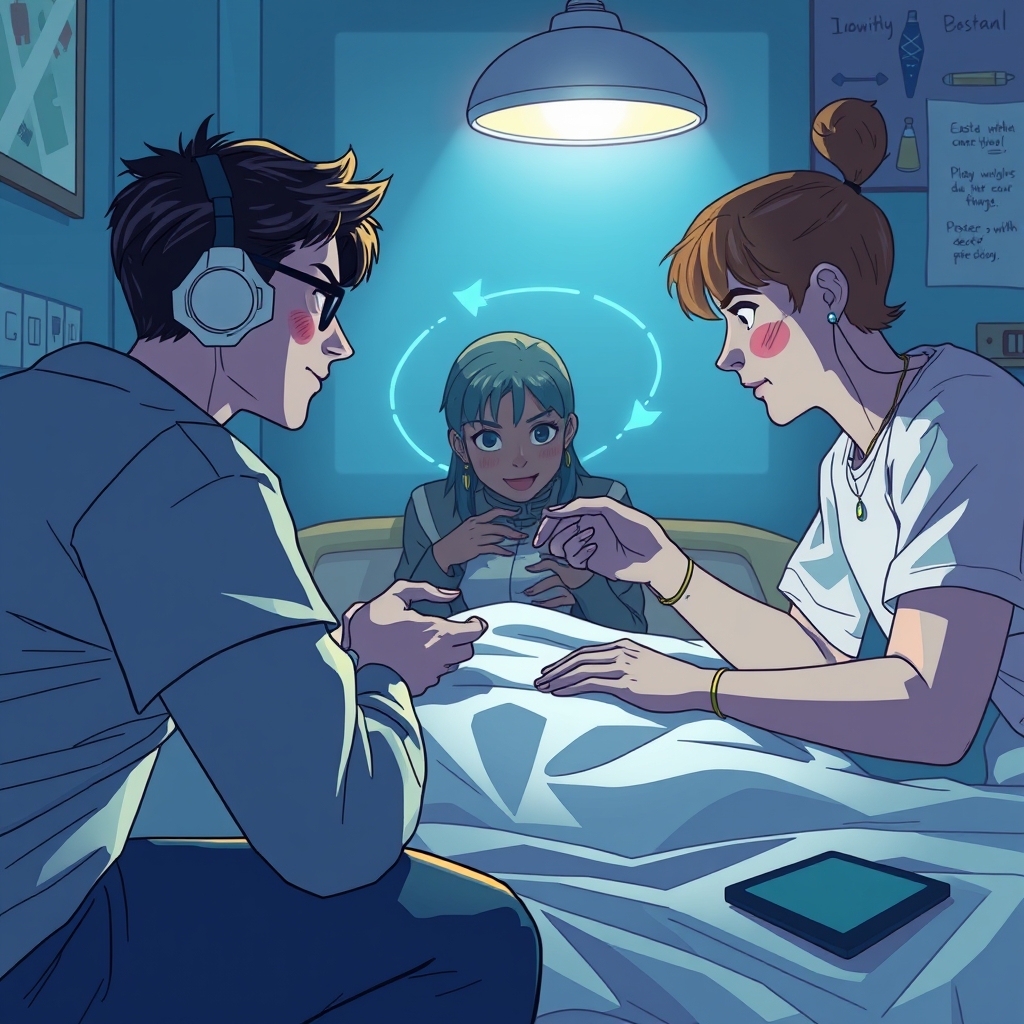
At the center of this viral marketing push is a scenario that many dedicated gamers might jokingly recognize. The advertisement stages a therapy session where the central figure struggles to explain their day-to-day distractions. Instead of typical real-world stress, their thoughts are completely dominated by rhythmic sword combat, futuristic ruined cities, grotesque Naytiba monsters, and the unmistakable silhouette of Eve.
The dynamic between the patient and the therapist carries the sketch. As the patient attempts to describe their experiences, the lines between digital accomplishment and genuine psychological dependency blur in a purely comedic way. The therapist attempts to unpack the issue with classic clinical detachment, only to be overwhelmed by hyper-specific descriptions of perfect parries, stylish combo finishers, and unlockable nano-suits.
What makes the commercial land so effectively is its tone. Rather than presenting a dry montage of cinematic gameplay clips set to generic orchestral music, the marketing team opted for self-referential comedy. By acknowledging that Stellar Blade has become a major talking point in the gaming community, the creators embraced the humor of the situation. It pokes fun at the audience while simultaneously celebrating the high-octane excitement that keeps players glued to their controllers.
Why Stellar Blade Keeps Captivating the Internet
To understand why a therapy-themed advertisement resonates so strongly, one must look at the wild journey Stellar Blade took leading up to its release on the PlayStation 5. Directed by veteran artist and Shift Up founder Kim Hyung-tae, the game arrived with massive expectations, intense fan anticipation, and no shortage of online debate.
From the moment the game was first revealed under its original working title, Project Eve, audiences noticed its unapologetic aesthetic direction. Shift Up created a visual identity that paid homage to classic Korean illustration styles, modern science fiction, and stylish character action classics like NieR: Automata and Bayonetta. Eve, the game’s heroine, became an instant lightning rod for discussion regarding character design in the modern gaming space.
Yet, while social media spent months arguing over aesthetic choices, Shift Up remained laser-focused on crafting a rock-solid action experience. When the playable demo landed on the PlayStation Store, players discovered that beneath the glossy surface lay a challenging, rewarding combat engine that demanded precision, timing, and genuine tactical patience.
The therapy commercial taps directly into this contrast. It playfully acknowledges that while onlookers might only see the spectacle and the character designs, the actual players are losing their minds trying to master parry windows against brutal boss encounters. It bridges the gap between casual observation and hardcore gaming dedication with a wink and a nod.
The Long Tradition of Weird Video Game Commercials
For longtime followers of the gaming industry, this recent ad feels like a nostalgic return to form. During the late 1990s and mid-2000s, video game marketing was legendary for its willingness to be strange, unsettling, and wildly unpredictable.
Consider the history of PlayStation advertising alone:
- The Double Life Campaign: A legendary European PlayStation commercial where regular people confessed their secret identities as warriors, athletes, and adventurers in the digital realm.
- David Lynch’s Third Place: A series of dream-like, surreal television spots directed by David Lynch to promote the PlayStation 2.
- Crash Bandicoot at Nintendo HQ: Live-action promotional clips where a guy in a giant Crash Bandicoot costume stood outside competing corporate headquarters with a megaphone.
- Kevin Butler: Sony’s long-running series of advertisements featuring a fictional, sarcastic corporate executive who delivered witty speeches about gaming hardware.
In recent console generations, much of that strange energy was replaced by polished, cinematic trailers that resembled blockbuster movie previews. While cinematic trailers look impressive, they often lack distinct personality. The Stellar Blade campaign proves that embracing quirky humor, live-action storytelling, and unconventional framing can capture player attention far more effectively than standard gameplay clips.
Breaking Down the Gameplay: Substance Behind the Spectacle
An ad like this only succeeds if the underlying game can back up the hype. If Stellar Blade were an uninspired title with weak mechanics, a self-aware advertisement about being obsessed with the game would fall flat. Fortunately for Shift Up and publisher Sony Interactive Entertainment, the game delivers where it counts.
1. Deliberate, High-Skill Combat
While early previews led some players to expect a lightweight hack-and-slash title, Stellar Blade draws heavily from modern soulslike and action-combat traditions. Basic button mashing quickly leads to defeat. Success requires mastering two essential defensive maneuvers: the Perfect Parry and the Perfect Dodge.
Landing a Perfect Parry chips away at an enemy’s balance gauge. Once that gauge is depleted, players can trigger a cinematic, devastating Retribution strike. This mechanic forces players to study enemy attack patterns, memorize wind-up animations, and stay completely focused during combat. It explains why the player in the commercial might need to talk through their gaming stress with a counselor.
2. Rewarding Character Progression
As Eve progresses through the ruins of Earth, players unlock extensive skill trees that alter her capabilities. Beta Skills provide explosive, offensive bursts that can stagger aggressive foes, while Burst Skills reward long strings of successful offensive play. The rhythm of combat continually evolves, giving players a sense of tangible mastery as they advance through increasingly punishing bosses.
3. Atmospheric World Building
The setting of Stellar Blade combines desolate wastelands, underground technological facilities, and the neon-lit sanctuary of Xion. The juxtaposition between ruined human architecture and bizarre alien bio-mechanical horrors gives the game a unique visual flavor. Supported by a haunting, dynamic musical score composed in part by studio Monaca, the atmosphere lingers in the mind long after the console is turned off.
How the Community Reacted to the Therapy Ad
Following the coverage by Kotaku and various video game influencers, fan reactions rolled in across social platforms. The response has been overwhelmingly positive, primarily because the commercial does not take itself too seriously.
Many players pointed out the clever irony of the situation. Throughout the release window, commentators across the web had engaged in endless philosophical debates about the game. Seeing an official promotional piece lean into that absurdity by placing a fan on a therapist’s couch felt like the ultimate form of self-aware comedy. Gamers applauded the creative agency behind the spot for understanding the internet culture surrounding their title.
Memes quickly spread, with players sharing screenshots of their own grueling boss attempts alongside captions suggesting they, too, were ready to book an appointment with a mental health professional. The community embraced the ad as a shared badge of honor, celebrating the shared trials of conquering high-difficulty encounters.
The Business Strategy Behind Shift Up’s Success
From an industry standpoint, Stellar Blade represents an enormous milestone for South Korean game development. Historically, the South Korean market has been dominated by PC titles, free-to-play MMOs, and mobile gaming. Console gaming, particularly premium single-player experiences, represented a relatively small segment of local development output.
Shift Up, led by Kim Hyung-tae, took a massive calculated risk by pivoting from mobile hits like Destiny Child and Goddess of Victory: Nikke toward a large-scale, high-budget PlayStation 5 exclusive. Sony recognized that potential early on, signing Shift Up as a second-party partner and providing technical and marketing support.
The success of the game, paired with viral marketing campaigns like the therapy commercial, demonstrates that global console audiences are hungry for new perspectives. By blending Eastern character design and Western-inspired action mechanics, Shift Up has managed to bridge cultural divides and achieve major commercial success on a global scale.
| Key Factor | Traditional Game Marketing | Stellar Blade Promotional Strategy |
|---|---|---|
| Primary Focus | Cinematic story clips and graphics | Humor, cultural buzz, and player dedication |
| Audience Connection | Passive viewing experience | Active engagement with memes and community humor |
| Tone | Serious, dramatic, and corporate | Playful, self-aware, and slightly bizarre |
| Long-Term Impact | Easily forgotten after release week | Generates lasting discussions and social sharing |
Why Creative Marketing Still Matters in 2024
In an era where thousands of games release across platforms every single month, standing out has never been harder. Algorithms reward predictable content, and many marketing campaigns follow safe, focus-tested formulas that fail to leave a lasting impression. When a studio dares to produce something genuinely funny and unexpected, it cuts through the digital noise.
The therapy-themed Stellar Blade ad works because it speaks the language of modern internet culture without feeling desperate or out of touch. It recognizes that games are entertainment, and talking about them should be fun. By leaning into the hyperbole of gaming obsession, the creators delivered a promotional piece that players actively want to watch and share with friends.
Furthermore, this campaign highlights the growing importance of international appeal. A commercial produced in one region can instantly find a worldwide audience thanks to reporting from outlets like Kotaku and instant sharing on platforms like X and YouTube. Great comedic timing and clever concepts transcend language barriers effortlessly.
Final Thoughts: A Win for Fun in Gaming
Video games are at their best when they embrace creativity, excitement, and a healthy dose of lighthearted fun. Stellar Blade could have relied entirely on conventional trailers, but its promotional team understood that modern audiences value personality over corporate polish.
By giving fans something genuinely hilarious to talk about, Shift Up and Sony have reinforced the bond between their game and its community. Whether you are a dedicated action game veteran spending hours mastering every parry, or an observer watching the phenomenon unfold from the sidelines, this commercial offers a welcome reminder that the gaming world is always more entertaining when it refuses to take itself too seriously.
As Stellar Blade continues its strong run on the PlayStation 5, players can look back at this promotional cycle as a masterclass in modern game hype. And if you find yourself dreaming about parrying monstrous attacks in your sleep, do not worry: you are certainly not the only one who might need to mention it during your next therapy session.


news via inbox
Nulla turp dis cursus. Integer liberos euismod pretium faucibua