Fortnite Pirate Token Drop Rates Revealed by Epic Games
Fortnite Pirate Token Drop Rates Revealed by Epic Games
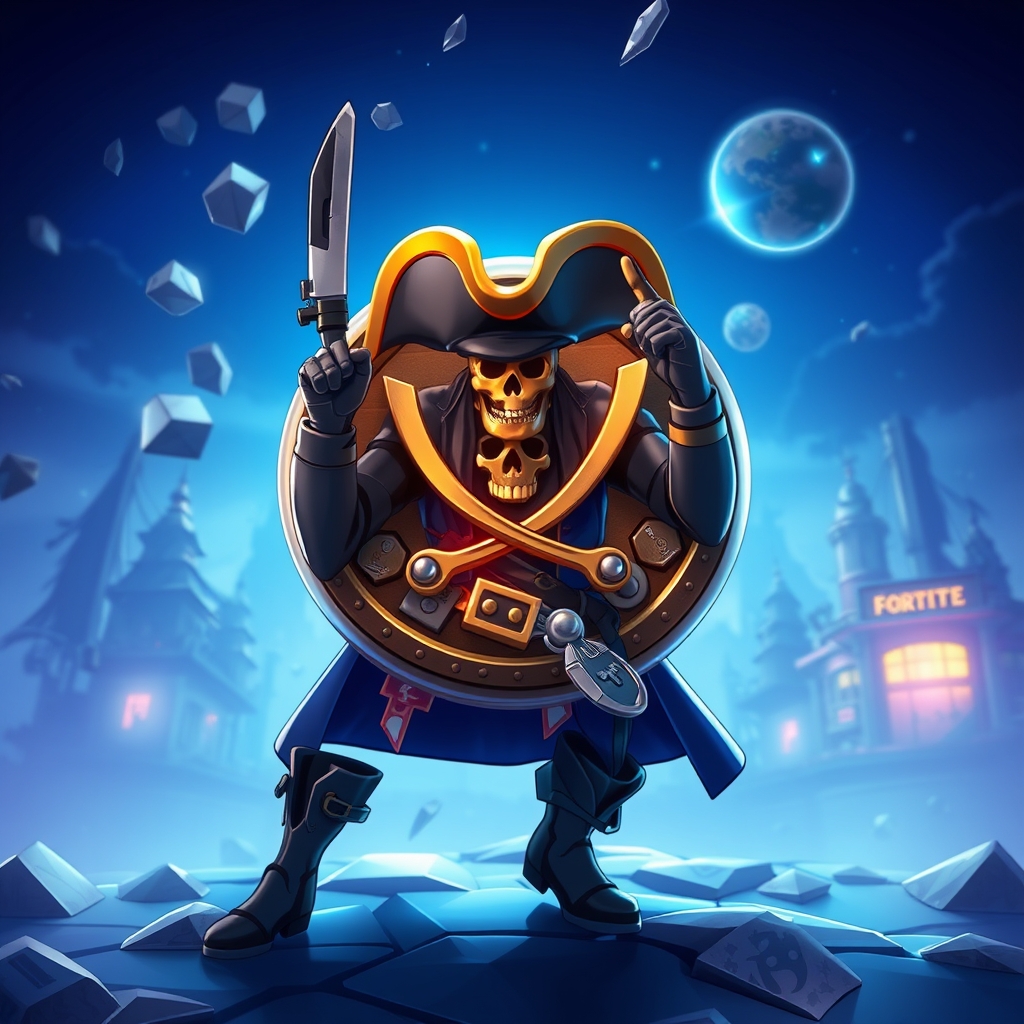
The gaming community is always watching, and developers are learning that transparency is no longer optional. Recently, Epic Games found itself at the center of a heated community debate regarding the elusive Pirate Tokens in Fortnite. After weeks of intense pressure from dedicated fans, content creators, and investigative players, Epic Games finally broke its silence. The studio officially revealed the exact drop rates for these coveted in-game items. At TechRook, we dive deep into the numbers, the community backlash, and what this means for the future of loot mechanics in one of the world’s biggest battle royale games.
For weeks, players poured countless hours into the game, hunting for Pirate Tokens with very little to show for their efforts. The lack of official data led to widespread frustration, wild theories on social media forums, and mounting criticism against the developers. Now that the curtain has been pulled back, the community is reacting to the stark reality behind the drop rates. Let us break down everything you need to know about this major gaming news story.
The Rise of the Pirate Token Controversy in Fortnite
Fortnite is no stranger to seasonal events, rare cosmetics, and special in-game currencies. Each update brings fresh excitement, challenges, and rewards to keep millions of active players engaged. However, the introduction of Pirate Tokens during the recent pirate-themed event sparked an unprecedented level of player discontent.
Unlike standard experience points or easily trackable quest items, Pirate Tokens appeared to drop randomly during specific matches. Players noticed immediately that the acquisition rate felt exceptionally low. Some gamers played for dozens of hours without securing a single token, while others claimed they found them entirely by accident. This inconsistency fueled intense speculation across community hubs like Reddit and X (formerly Twitter).
As frustration grew, the gaming press, led by reports from outlets like IGN, began questioning Epic Games about the transparency of these drop mechanics. Fans demanded to know if the odds were truly random, if certain game modes offered better chances, or if the system was simply bugged. The pressure reached a boiling point when prominent content creators threatened to organize boycotts of the current season pass until Epic Games addressed the issue directly.
Epic Games Relents and Publishes the Official Numbers
Facing mounting backlash and a potential PR crisis, Epic Games decided to take the rare step of publishing the exact mathematical probabilities behind the Pirate Tokens. Transparency regarding drop rates has become a hot-button issue in the video game industry, especially as regulatory bodies around the world scrutinize randomized reward systems.
According to the official data shared by Epic Games, the drop rates vary depending on the specific activity, game mode, and match completion status. Here is a summary of the official probabilities released by the developers:
- Standard Match Completion: 2.5 percent chance per completed match.
- Eliminating Rival Players in Pirate Zones: 1.2 percent chance per elimination.
- Opening Rare Pirate Chests: 5.0 percent chance per chest opened.
- Completing Daily Pirate Quests: 100 percent guaranteed reward for the first three quests daily.
These numbers validate what many players suspected all along. Finding Pirate Tokens purely through standard gameplay and random exploration was mathematically designed to be an extreme grind. While daily quests offered a reliable path forward, relying on random drops during matches felt like searching for a needle in a haystack.
Player Reactions and Community Backlash
The immediate aftermath of the drop rate reveal was a mixture of vindication and anger. While players appreciated the honesty from Epic Games, many expressed dismay at how low the percentages actually were. In a game played by millions of fast-paced competitors, a 2.5 percent chance for a standard match completion felt punishing rather than rewarding.
Community forums quickly filled with analytical breakdowns of the time investment required to unlock all pirate-themed rewards. Mathematicians and dedicated fans calculated that an average player would need to spend over two hundred hours actively farming chests and eliminations to secure every exclusive cosmetic item tied to the tokens.
Critics argued that such low drop rates unfairly targeted casual players who cannot dedicate hours every single day to gaming. On the other hand, defenders of the system suggested that rare items should feel exclusive, arguing that easy rewards strip away the sense of achievement.
| Method | Official Drop Rate | Player Sentiment |
|---|---|---|
| Daily Quests | 100 percent (First 3) | Positive, viewed as fair and reliable. |
| Rare Chests | 5.0 percent | Moderate, acceptable for high-tier loot. |
| Match Completion | 2.5 percent | Negative, considered far too low. |
| Eliminations | 1.2 percent | Highly Negative, encourages frustrating gameplay loops. |
Why Drop Rate Transparency Matters in Modern Gaming
The Fortnite Pirate Token controversy highlights a much larger trend in the modern gaming industry. For years, developers kept drop rates hidden behind proprietary algorithms. Players had to rely on dataminers or blind faith to understand how in-game economies functioned.
In recent years, consumer advocacy groups and government regulators have pushed for mandatory disclosure of randomized drop rates. This shift protects consumers, ensures fair play, and builds trust between developers and their communities. When players invest their time or money into a video game, they deserve to know the exact odds of achieving their goals.
Epic Games has generally been proactive regarding transparency in its Battle Royale shop and loot mechanics, especially concerning Save the World mode llamas in the past. However, the temporary secrecy surrounding the Pirate Tokens proved that even industry giants can miscalculate how a community will react to hidden progression walls.
Comparing Fortnite to Other Industry Standards
To put the Fortnite Pirate Token rates into perspective, it helps to look at how other major multiplayer titles handle similar mechanics. Games like Apex Legends, Destiny 2, and Call of Duty frequently introduce seasonal currencies and event items.
In many of these competing titles, drop rates are either clearly displayed in the in-game menus or structured in a way that guarantees a reward after a specific number of attempts. This concept, often referred to in the gaming community as bad luck protection, ensures that players never feel entirely hopeless during a grind.
Epic Games implemented a mild version of this protection through the daily quests. However, the reliance on extremely low percentages for spontaneous gameplay actions left many feeling alienated. Moving forward, industry analysts expect Epic Games to refine these systems to strike a better balance between engagement and player satisfaction.
How to Maximize Your Pirate Token Farming Now
Now that the numbers are public, smart players are adjusting their strategies to farm Pirate Tokens efficiently. If you want to unlock all the pirate cosmetics before the current season ends, follow these proven tips based on the official drop rate data:
- Prioritize Daily Quests: Since the first three daily pirate quests guarantee tokens, make logging in and completing them your top priority.
- Target High-Density POIs: Focus your landings on newly introduced pirate-themed locations where rare chests spawn frequently.
- Play Squads or Team Rumble: These modes allow for more engagements and faster match pacing, increasing your overall opportunities for eliminations and chest openings.
- Manage Your Time: Do not burn yourself out trying to grind random 1.2 percent elimination drops. Pace your gaming sessions to keep the experience fun.
Looking Ahead: The Future of Fortnite Events
The Pirate Token saga serves as a valuable lesson for both Epic Games and the broader gaming community. Developer transparency is no longer just a nice feature to have. It is an absolute necessity for maintaining a healthy, communicative player base.
As Fortnite continues to evolve into a sprawling metaverse featuring user-generated content, brand collaborations, and massive seasonal events, how Epic Games handles progression and rewards will remain under the microscope. Fans have proven that they will speak up when mechanics feel unfair, and developers have learned that open communication is the best path forward.
At TechRook, we will continue monitoring this story and providing you with the latest updates on Fortnite, industry news, and gaming guides. Stay tuned for more expert analysis as the current season reaches its thrilling conclusion.



news via inbox
Nulla turp dis cursus. Integer liberos euismod pretium faucibua