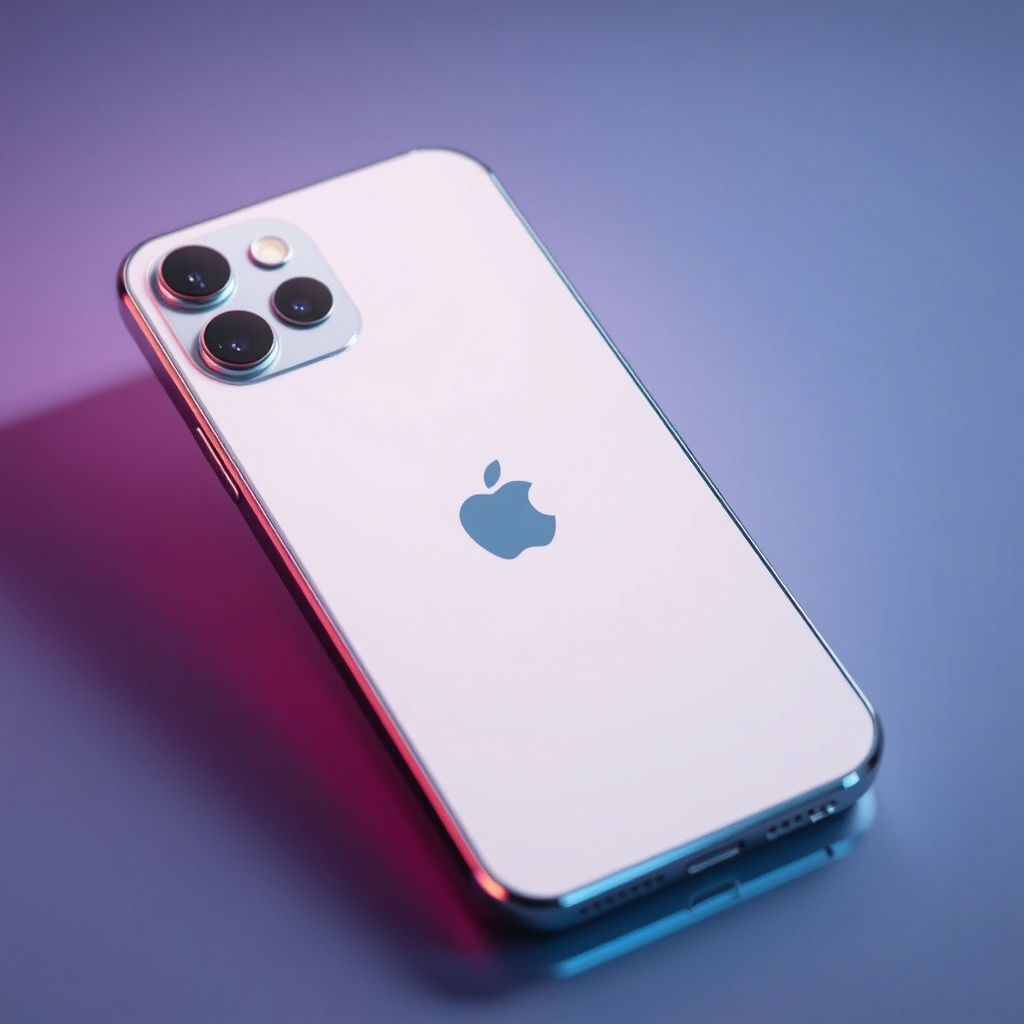
Foldable iPhone Ultra: 5 Major Features Likely Missing at Launch
Foldable iPhone Ultra: 5 Major Features Likely Missing at Launch
For years, the technology world has been waiting for Apple to make its grand entrance into the foldable smartphone market. While competitors like Samsung, Google, OnePlus, and Honor have released multiple generations of folding hardware, Apple has remained noticeably patient. Cupertino is famous for sitting back, observing the pain points of early adopters, refining existing concepts, and delivering a polished product when the underlying technology matures.
(adsbygoogle = window.adsbygoogle || []).push({});
Industry supply-chain reports, patent filings, and analyst notes suggest that Apple is actively developing a high-end foldable device. Often referred to by insiders and enthusiasts as the iPhone Fold or iPhone Ultra, this device represents the most radical redesign of the iPhone since the iPhone X debuted in 2017. With potential screen sizes ranging from 7.5 to 8.3 inches when unfolded, it promises to blend the portability of an iPhone with the screen real estate of an iPad mini.
However, despite the immense hype and expected ultra-premium price tag, hardware physics and manufacturing realities will force Apple to make significant compromises. If you are expecting a first-generation foldable iPhone to feature every single cutting-edge component found on standard flagship iPhones, you may want to temper your expectations. Based on supply-chain intelligence and engineering realities, here are the five major features the foldable iPhone Ultra is still likely to miss when it finally hits the market.
—
1. A Completely Creaseless Inner Display
The primary dream for any foldable phone enthusiast is a seamless, completely flat folding screen that shows no distortion, groove, or reflection along the hinge line. While display manufacturers like Samsung Display and LG Display have made massive strides in reducing the depth and visibility of screen creases, the fundamental laws of material physics remain an obstinate hurdle.
The Challenge of Glass and Elasticity
Modern foldable phones rely on Ultra-Thin Glass (UTG) topped with protective polymer layers. To allow a panel to fold hundreds of thousands of times without shattering, the glass must be microscopically thin—often thinner than a human hair. When bent repeatedly along a tight radius, the stress distribution inevitably causes a slight indentation or curvature along the hinge axis.
Apple’s High Standards vs. Manufacturing Reality
Reports indicate that Apple has rejected several early display prototypes because the crease was too visible for company executives. Apple has filed patents detailing ingenious hinge designs, chemical etching techniques to thicken screen edges while thinning the fold axis, and even liquid metal support plates to push the display flat when open.
Despite these efforts, eliminating the crease entirely under all lighting angles and touch gestures is practically impossible with current mass-production display tech. When the foldable iPhone Ultra arrives, users will almost certainly still be able to feel a subtle dip under their finger and catch faint reflections along the center seam under direct overhead light.
- Visual Crease: Greatly minimized compared to older foldables, but still perceptible under bright ambient lighting.
- Tactile Crease: Swiping across the center will still yield a slight dip or wave beneath the glass-polymer sandwich.
- Durability Trade-off: Making the folding area thicker to resist indentation makes the panel stiffer and more prone to mechanical fatigue over long-term use.
—
2. Full Apple Pencil Support with Built-In Storage
When users imagine an iPhone unfolding into an 8-inch digital canvas, the immediate instinct is to treat it like a pocket-sized iPad mini. Naturally, this leads to the expectation of Apple Pencil support for taking notes, sketching, signing documents, and navigating complex interfaces.
Unfortunately, several severe engineering and spatial bottlenecks make both an integrated stylus and standard Apple Pencil compatibility highly improbable on a first-generation foldable iPhone Ultra.
Fragility of the Display Surface
Standard iPads feature thick, scratch-resistant tempered glass that can withstand the hard, pointed plastic tip of an Apple Pencil pressing down with varying levels of force. A foldable screen, by contrast, relies on a delicate top layer of polyimide or plastic protective film over UTG. Pressing a rigid stylus tip into a soft foldable panel risks causing permanent micro-dents, scratches, or even puncturing the underlying OLED matrix.
Internal Real Estate and Digitizer Thickness
To support an active stylus, the display assembly must incorporate an electro-magnetic resonance (EMR) digitizer layer or an active capacitive matrix. Adding this layer increases the overall thickness and stiffness of the folding panel, directly counteracting Apple’s goal of making the device as thin and sleek as possible when closed.
Furthermore, housing a built-in stylus inside the phone’s chassis—similar to the Samsung Galaxy S24 Ultra—consumes an enormous amount of internal volume. In a foldable phone, where every cubic millimeter is fiercely contested by batteries, hinges, logic boards, and camera sensors, sacrificing battery or thermal dissipation space for a stylus silo is a trade-off Apple is unlikely to make.
—
3. The Top-Tier ‘Pro Max’ Periscope Camera System
Over the last few years, the iPhone Pro Max lineup has cemented itself as an optical powerhouse, boasting large 1/1.28-inch main image sensors, dedicated telephoto lenses with tetraprism periscope mechanisms, and sophisticated optical image stabilization (OIS) modules. Enthusiasts paying upwards of $2,000 for an iPhone Ultra will naturally expect the finest camera system Apple makes.
However, the physical constraints of foldable hardware make transplanting the full iPhone Pro Max camera array nearly impossible without creating an unmanageable, heavily unbalanced camera bump.
| Camera Hardware Factor | Standard Flagship (iPhone Pro Max) | Foldable Device (iPhone Ultra) |
|---|---|---|
| Chassis Thickness per Half | ~8.25 mm (single unified body) | ~4.5 mm to 5.5 mm (unfolded half) |
| Sensor Z-Height Allowance | Deep cavity accommodates large sensors and lenses | Extremely shallow; limits physical sensor thickness |
| Periscope Module Space | Generous horizontal/vertical run for prism optics | Severely constrained by hinge mechanics and dual batteries |
| Overall Weight Balance | Evenly distributed across single frame | Heavy camera modules cause top-heavy tipping when unfolded |
The Z-Height Dilemma
When unfolded, each half of a foldable phone must be extraordinarily thin—often between 4.5mm and 5.8mm—so that the device does not feel like an unwieldy brick when closed. Top-tier camera sensors require physical depth (Z-height) to position high-grade multi-element glass lenses over large silicon sensors without introducing severe optical aberrations.
Fitting a large 5x or 10x periscope telephoto module alongside a high-resolution wide sensor inside a 5mm chassis half forces manufacturers to either enlarge the external camera bump dramatically or downscale the optical hardware. Apple is far more likely to equip the foldable iPhone Ultra with a camera setup comparable to the standard iPhone or a slimmed-down dual/triple array, rather than matching the class-leading imaging capabilities of the iPhone Pro Max.
—
4. Complete IP68 Dust and Ingress Protection
Modern iPhones are renowned for their rugged environmental sealing. With an IP68 rating, a standard iPhone can survive accidental submersion in fresh water up to a depth of 6 meters for up to 30 minutes, while remaining entirely impervious to fine dust, sand, and lint.
For a foldable device, achieving this level of total environmental sealing remains one of the toughest mechanical challenges in consumer electronics.
The Vulnerability of Complex Hinges
A folding smartphone relies on an intricate mechanical hinge containing dozens of tiny moving gears, cams, springs, and interlocking plates. To allow these components to slide smoothly against one another, microscopic gaps must exist between the moving parts and the exterior frame.
(adsbygoogle = window.adsbygoogle || []).push({});
While Apple can apply water-repellent nanocoatings to logic boards and use silicone gaskets around static ports to achieve excellent water resistance (likely an IPX8 rating), keeping out microscopic dust and grit is a completely different challenge:
- Particulate Ingress: Pocket lint, fine dirt, and sand particles can easily migrate into the hinge cavity through tiny gaps.
- Mechanical Abrasion: Once inside, hard debris can grind against the delicate gears, causing crunching noises, hinge resistance, or mechanical lockup.
- Under-Panel Damage: Particles that slip behind the flexible OLED panel can push upward against the display from the inside, causing dead pixels or visible bumps on the screen.
While Apple is developing innovative micro-brush sweeping mechanisms and sealed hinge enclosures, matching the true, impenetrable dust resistance of a sealed glass-slab smartphone is simply not achievable on a first-gen folding mechanism.
—
5. Class-Leading, Multi-Day Battery Endurance
One of the strongest selling points of Apple’s larger iPhones has been their legendary battery life. Thanks to aggressive power management, efficient Apple Silicon, and massive internal battery cells, devices like the iPhone 15 Pro Max and iPhone 16 Pro Max effortlessly power through intensive days of heavy usage.
The foldable iPhone Ultra, however, will face an uphill battle when it comes to battery endurance, driven by a simple equation: massively increased power consumption paired with limited physical battery volume.
Powering a Mini-Tablet Display
The internal folding display of the iPhone Ultra will feature roughly 1.5 to 1.8 times the surface area of a standard iPhone screen. Illuminating that many additional OLED pixels—especially at dynamic 120Hz ProMotion refresh rates and peak HDR brightness levels exceeding 2,000 nits—demands substantially more electrical power.
Split-Cell Architecture Limitations
Because a foldable phone bends down the middle, engineers cannot use a single large, thick battery. Instead, they must split the battery capacity across two separate, ultra-thin cells placed in each half of the chassis, connected by a flexible ribbon cable across the hinge.
This split layout incurs several physical penalties:
- Structural Overhead: Two individual battery enclosures require double the casing material, protective circuitry, and thermal buffers, reducing the net active chemical volume.
- Chassis Constraints: Because each half of the phone must remain ultra-thin, the battery cells must be wafer-thin, limiting total milliamp-hour (mAh) capacity.
- Thermal Throttling: Cramming batteries, processors, and display drivers into tight, ultra-slim compartments complicates heat dissipation, forcing the device to regulate power draw more aggressively under sustained loads.
While Apple’s 3nm and future 2nm A-series or M-series chipsets will deliver world-class power efficiency, the sheer physics of driving an 8-inch screen from a split, ultra-thin battery pack means battery endurance will likely land closer to a standard base iPhone rather than the marathon longevity of a Pro Max.
—
Understanding Apple’s Foldable Strategy: Refinement Over Revolution
To understand why these five features will likely be missing, it helps to look at Apple’s broader hardware philosophy. Apple rarely strives to be the first to market with experimental features. Instead, the company prioritizes structural reliability, long-term durability, software cohesion, and brand prestige.
When Apple launches a new product category, the primary objective is to deliver an intuitive, bulletproof user experience rather than winning a spec-sheet comparison. In the context of the foldable iPhone Ultra, Apple’s engineering team is focusing on core essentials:
- Developing a hinge that feels rock-solid and stays functional over five or six years of daily use.
- Optimizing iOS and iPadOS with intelligent app continuity, fluid multitasking, and responsive split-screen workflows.
- Minimizing the overall thickness and weight so the phone remains genuinely comfortable to use when folded shut.
- Eliminating manufacturing defects to maintain Apple’s high production yield requirements.
Achieving these foundational goals requires making calculated trade-offs in other departments. Sacrificing extreme periscope zoom lenses, internal styluses, or oversized batteries is the price Apple must pay to deliver a thin, elegant, and reliable folding hardware design.
—
Foldable iPhone Ultra vs. iPhone Pro Max: What to Expect
If you are deciding whether to hold onto your current device and wait for the foldable iPhone Ultra or upgrade to an existing Pro Max model, here is how the two distinct form factors are expected to stack up across everyday priorities:
| Feature Category | Foldable iPhone Ultra | iPhone Pro Max (Slab Flagship) |
|---|---|---|
| Display Experience | Transformative 8-inch workspace for media and multitasking | Conventional 6.7 to 6.9-inch fixed panel |
| Camera Capabilities | Capable dual/triple system; optimized for slimness | Industry-leading sensors, heavy periscope zoom, pro video |
| Screen Durability | Flexible polymer/UTG blend; requires conscious care | Rigid Ceramic Shield; highly scratch and crack resistant |
| Water/Dust Ingress | Water resistant (IPX8); vulnerable to fine dust/sand | Full IP68 immersion and complete dust seal |
| Battery Endurance | Moderate all-day battery life (drives large inner panel) | Exceptional multi-day battery life |
| Estimated Price | $1,800 to $2,400+ (Ultra-luxury segment) | $1,199 to $1,599 (Standard flagship tier) |
The Price Tag and Market Reality
When the foldable iPhone Ultra eventually arrives, it will not be an iPhone for everyone. Supply chain analysts consistently forecast that the initial launch price will land anywhere between $1,800 and $2,500, positioning it well above the standard Pro Max tier and placing it firmly in the ultra-luxury, executive-tier market.
At that price point, missing features like a periscope zoom or an integrated stylus might seem like a hard pill to swallow. However, early adopters of first-generation Apple products—such as the original iPhone, the first Apple Watch, the original MacBook Air, or the Vision Pro—know that Gen-1 hardware is always defined by ambitious innovation alongside conspicuous functional limitations.
The primary value proposition of the foldable iPhone Ultra will not be spec-sheet supremacy; it will be the seamless magic of carrying an iPad-sized workspace in a pocketable iPhone silhouette, powered by the unmatched polish of the Apple software ecosystem.
—
(adsbygoogle = window.adsbygoogle || []).push({});
Final Thoughts
The prospect of a foldable iPhone Ultra is undeniably thrilling. It represents the most significant form-factor revolution for Apple in over a decade, promising to redefine mobile productivity and entertainment on iOS. By merging the phone and tablet into a single, cohesive piece of industrial design, Apple has the potential to supercharge the entire foldable smartphone industry.
However, successful technology adoption requires realistic expectations. The physics of folding displays, microscopic hinge tolerances, and battery chemistry mean that compromises are inevitable. The foldable iPhone Ultra will almost certainly lack an invisible crease, full Apple Pencil integration, class-leading zoom cameras, complete dustproofing, and record-shattering battery life.
For buyers who prioritize raw durability, extreme telephoto photography, and multi-day battery life, the traditional iPhone Pro Max will likely remain the superior everyday tool. But for tech enthusiasts, creative professionals, and power users who crave the future of mobile computing today, the foldable iPhone Ultra will be an irresistible milestone—missing features and all.




news via inbox
Nulla turp dis cursus. Integer liberos euismod pretium faucibua