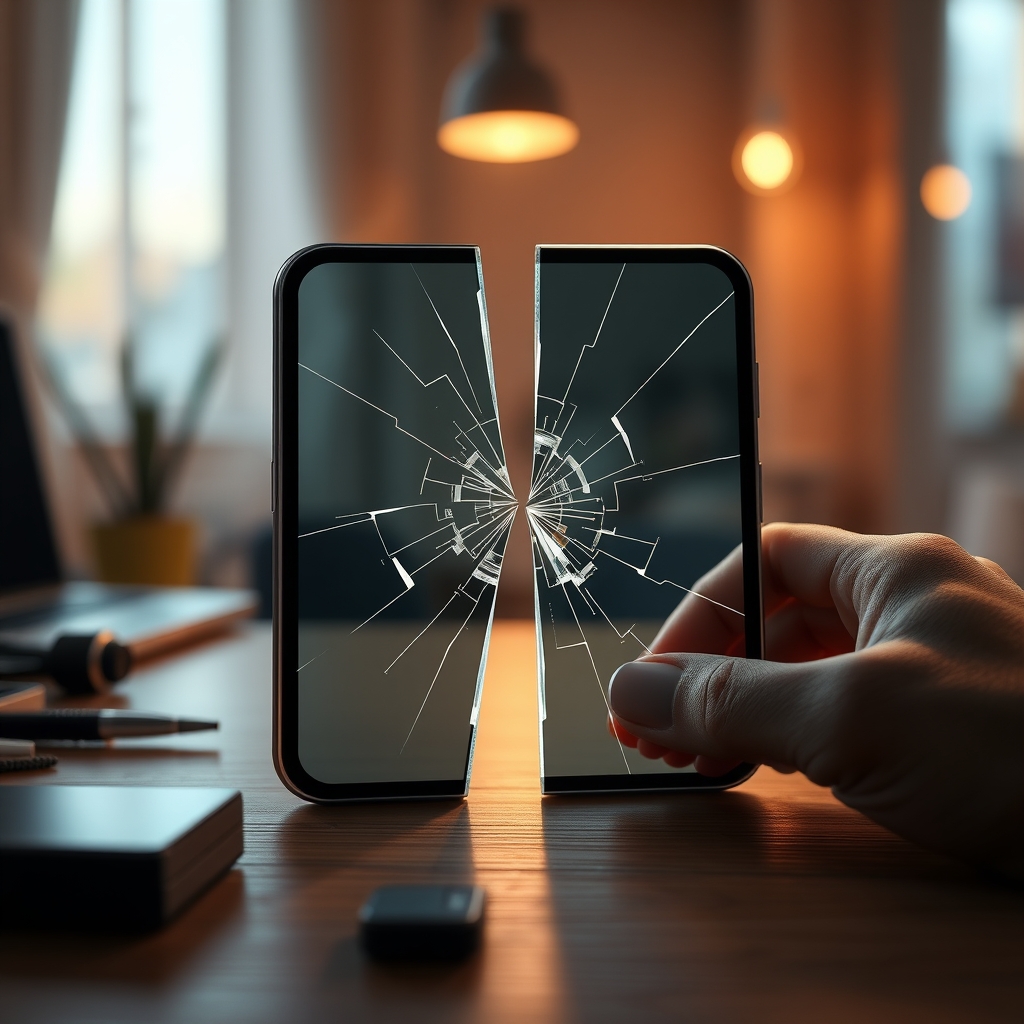
iPhone Duo Hinge Screen Cracking: Why Foldable Glass Fails
iPhone Duo Hinge Screen Cracking: Why Foldable Glass Fails Under Pressure
For years, tech enthusiasts and industry analysts have watched Apple file patent after patent for flexible screens, specialized hinge assemblies, and self-healing polymers. While competitors like Samsung, Google, and OnePlus have released multiple generations of folding hardware, Apple has remained visibly cautious. Rumors surrounding an upcoming foldable device, frequently dubbed the iPhone Duo or iPhone Fold, suggest that Apple wants to avoid the engineering pitfalls that troubled early foldable adopters. Yet, as recent industry discussions and technical analyses highlighted by outlets like The Verge point out, building a folding glass device is an ongoing battle against basic physics.
Recent teardowns, patent examinations, and supply chain reports show that the hinge mechanism remains the single most dangerous point of failure for flexible displays. Even with advanced Ultra-Thin Glass (UTG) and complex multi-axis gears, screen cracking along the fold line continues to plague the category. If Apple releases a folding device with the rumored dual-axis teardrop hinge, it faces the exact same physical dilemmas that have haunted mechanical engineers for decades. In this comprehensive breakdown, we examine the structural, thermal, and mechanical reasons why an iPhone Duo hinge could cause screen cracking, and what Apple is trying to do to prevent it.
The Paradox of Flexible Glass
To understand why a hinge can break a screen, you must first understand how a piece of glass bends in the first place. Solid glass is notoriously rigid and brittle. If you try to bend a standard windowpane or the cover glass on an iPhone 15, it will shatter almost immediately. Glass shatters because its surface contains microscopic defects. When you bend glass, the outer surface is pulled apart by tensile stress, causing those micro-fractures to spread rapidly through the material.
Foldable phones work around this problem by using Ultra-Thin Glass, often shortened to UTG. When glass is shaved down to a thickness of roughly 30 to 50 micrometers, which is thinner than a single strand of human hair, it becomes flexible. At that scale, the glass can curve without exceeding its elastic limit. However, thinning the glass introduces a massive trade-off. While it can flex, it loses its resistance to impact, puncture, and localized shear force.
To protect this fragile sheet, manufacturers laminate the glass with several other layers. A typical foldable panel stack includes:
- A flexible OLED or micro-LED substrate at the bottom that produces the picture.
- An optical clear adhesive (OCA) layer that bonds the display to the glass.
- The Ultra-Thin Glass layer that provides a flat, smooth touch surface.
- A protective plastic layer (often polyethylene terephthalate or PET) to guard against scratches.
- An anti-reflective and oleophobic surface treatment on top.
The total stack behaves like a miniature multi-layered book. When you open and close that book thousands of times, every single layer experiences different mechanical forces. If the hinge beneath does not support the stack evenly, the brittle glass layer in the middle takes the brunt of the punishment.
The Anatomy of the Teardrop Hinge
Early foldable smartphones used a basic U-shaped hinge design. In a U-shaped hinge, the screen folds completely flat against itself with a very tight radius at the center. This design had two major flaws. First, it forced the glass to bend at an extreme angle, which created a permanent, deep crease. Second, it left a visible wedge-shaped gap between the two halves of the phone when closed, allowing dirt and pocket lint to slide inside.
To fix this, modern foldables turned to the teardrop or waterdrop hinge design. Industry leaks suggest that Apple is adopting a highly customized version of this approach for the iPhone Duo. Inside a teardrop hinge, the screen does not pinch together tightly. Instead, as the phone closes, the center section of the display loops back inward into the phone body, forming the shape of a water droplet.
This design dramatically increases the bend radius of the glass. A wider radius reduces mechanical strain and makes the visible crease much shallower when the phone is unfolded. However, the teardrop design creates a completely new set of mechanical headaches:
- Internal Cavity Space: The phone body must have empty space inside to swallow the looping glass when closed.
- Moving Support Plates: When the phone opens flat, mechanical plates must slide forward to support the screen so your finger does not push through the hollow hinge cavity.
- Multi-Axis Synchronization: The hinge must use complex gear trains to ensure both sides of the phone rotate at the exact same speed and angle.
Every added moving part creates a potential point of friction, misalignment, and uneven pressure against the glass.
Tensile Stress and the Neutral Axis Problem
The primary culprit behind screen cracking along a hinge is a mechanical concept known as the neutral axis. When any material bends, the outer edge stretches under tension, while the inner edge squeezes together under compression. Right in the middle lies the neutral axis, an imaginary plane where the material experiences zero stress.
In an ideal world, the Ultra-Thin Glass layer would sit precisely along this neutral axis throughout the entire folding motion. If it did, the glass would experience neither stretching nor squishing forces. But in a real smartphone, maintaining that alignment is practically impossible.
Because the display assembly is made of multiple bonded layers, the location of the neutral axis shifts dynamically as the phone opens and closes. If the adhesive stretches slightly, or if the protective plastic layer resists bending, the neutral axis moves away from the glass. The moment that happens, the brittle glass is exposed to severe tensile stress.
Tensile stress is the mortal enemy of glass. Glass handles compressive stress relatively well; you can press down on it with substantial force without causing damage. But when you pull glass apart, even tiny imperfections on the edges or surface begin to tear open. Over months of regular use, opening and closing the device acts like flexing a paperclip back and forth. Microscopic fissures expand until, without warning, a clean crack propagates straight down the crease line.
Mechanical Pinching and Inward Buckling
While tension breaks the outer curve, compression can be equally destructive to the inner curve. When the iPhone Duo closes, the teardrop hinge allows the center fold to sink into the housing. If the hinge gears wear down over time, or if the tolerance between the moving parts changes by even a fraction of a millimeter, the hinge can squeeze the display inward too tightly.
This squeezing force causes a phenomenon called structural buckling. Instead of bending smoothly into a soft curve, the glass snaps into a sharp kink. Because Ultra-Thin Glass is exceptionally thin, it lacks the cross-sectional mass to resist sudden localized buckling forces. If the support wings of the hinge do not retract at the exact microsecond the fold begins, they can pinch the glass against the outer chassis, causing instant mechanical failure.
The Danger of Foreign Object Debris
Another major reason why hinges crack screens involves foreign matter getting trapped in the mechanism. Smartphone pockets are full of dust, denim fibers, and tiny grains of quartz sand. Standard slate smartphones are completely sealed against these hazards, often carrying IP68 dust and water resistance ratings. Foldable phones, by contrast, are full of mechanical openings.
A teardrop hinge relies on internal cavities to store the folded glass. If a single grain of sand enters the hinge through the speaker grille, the edge bezels, or the hinge spine, it can migrate directly underneath the display panel. Once debris is trapped under the screen, disaster is inevitable:
- When the user unfolds the phone, the mechanical support plates slide forward to lock the screen flat.
- The trapped particle gets pushed directly against the underside of the flexible OLED and UTG layer.
- Because the screen is under tension while flat, the tiny grain creates an intense concentration of point pressure.
- The next time the user taps the screen or folds the phone closed, the glass flexes against the hard particle, puncturing the display substrate and cracking the glass from the inside out.
This explains why many foldable users report waking up to find a dead pixel line or a fractured crease without ever dropping their phones. The damage was not caused by external trauma, but by an internal speck of dirt acting as a wedge under the mechanical hinge plates.
Thermal Dynamics and Material Mismatch
A smartphone is subjected to wide temperature swings. You might use your phone inside a heated room, take it outside into sub-zero winter temperatures, or leave it sitting on a sunlit car seat. Every material expands when heated and contracts when cooled, a metric defined as the Coefficient of Thermal Expansion (CTE).
A foldable hinge is built from high-strength metals such as titanium, stainless steel, or aluminum alloys. The display is made of glass, silicon, plastic polymers, and acrylic adhesives. These materials expand and contract at wildly different rates:
| Material Layer | Expansion Rate (CTE) | Mechanical Behavior Under Stress |
|---|---|---|
| Stainless Steel Hinge | Moderate to High | Expands and contracts significantly with temperature; rigid and inflexible. |
| Ultra-Thin Glass (UTG) | Very Low | Expands very little; highly brittle; vulnerable to tensile stretching. |
| Polymer Display Substrate | High | Expands quickly; flexible; absorbs shear forces easily. |
| Optical Clear Adhesive (OCA) | Extremely High | Softens when hot; stiffens and loses elasticity in freezing cold. |
In cold conditions, this mismatch becomes critical. As the ambient temperature drops, the optical clear adhesive that bonds the display layers together becomes stiff and brittle. Instead of absorbing shear forces and letting the layers slide past each other smoothly during a fold, the hardened adhesive transfers the mechanical torque directly into the Ultra-Thin Glass.
At the same time, the glass itself becomes more brittle at lower temperatures. If you rapidly unfold a cold phone, the stiffened adhesive cannot adjust quickly enough to the shifting neutral axis. The hinge applies force, the adhesive pulls unevenly on the glass, and the display cracks along the crease. This thermal vulnerability is one of the hardest engineering puzzles to solve, as software updates cannot alter the laws of thermodynamics.
Display Creep and Adhesive Delamination
Even if a hinge operates with perfect precision, time is always working against flexible displays. Materials under continuous or repeated stress suffer from a degradation process called creep. When a foldable phone remains closed for eight hours while you sleep, the glass along the fold line is held in constant flexion.
When you open the device in the morning, the materials want to spring back to their flat state, but the adhesive layer may have experienced viscoelastic flow, meaning it deformed slightly under the sustained bend. As you straighten the phone, the adhesive must pull the screen back into flat alignment. Over thousands of cycles, this back-and-forth pulling can cause microscopic delamination, where the glass separates from the display panel underneath.
Once delamination begins, an air pocket forms inside the display stack along the hinge crease. This gap eliminates the structural support beneath the glass. When you touch the screen above that air pocket, you are pressing unbacked, ultra-thin glass directly into a void. The lack of uniform support leads to localized stress fractures, which quickly spiderweb across the hinge line.
Apple’s Patent Trail: How the iPhone Duo Might Fight Back
Apple has taken an unusually long time to enter the foldable market, and patent filings indicate that hinge-induced screen failure is the primary reason for the delay. The company has explored several ingenious, highly intricate mechanical solutions to keep the display intact over years of daily usage.
1. Chemically Etched Variable-Thickness Glass
One of Apple’s most notable patents describes a display cover made from a single sheet of glass that has different thicknesses across its body. The areas covering the flat halves of the phone are thick and rigid, offering the drop and scratch protection of a traditional iPhone. However, the section of glass that sits directly over the hinge is chemically etched down to a microscopic thickness.
To prevent this thinned valley from feeling soft or weak, the patent describes filling the grooved crease with a flexible polymer that has the same refractive index as the glass. This approach gives the user the visual clarity of continuous glass, while providing a dedicated flex zone that dramatically reduces bending resistance and relieves mechanical strain on the hinge.
2. Dynamic Interlocking Support Plates
In a standard foldable, the plates that support the display move laterally on tiny tracks. Apple has patented an interlocking system of floating plates that rotate on independent pivot points. When the device closes, the plates slide smoothly beneath one another, creating a wide, curved cradle for the teardrop fold.
When the phone opens to 180 degrees, the plates lock together into a completely rigid, seamless floor. This eliminates the hollow gap behind the crease, preventing accidental punctures from heavy stylus use or firm finger presses.
3. Active Crease Heating
To combat the cold-weather cracking issue discussed earlier, Apple has researched integrating microscopic heating elements directly into the display edges or the hinge spine. If internal temperature sensors detect that the ambient environment is near freezing, the phone could gently warm the adhesive along the fold line before the user opens the device, or send a brief alert advising the user to avoid rapid opening until the materials reach a safe temperature.
4. Liquid Metal and Gear Redundancy
Traditional hinge gears are made from milled steel or cast aluminum, both of which can develop microscopic burrs or teeth wear after hundreds of thousands of rotations. Wear and tear causes gear play, where the hinge wiggles slightly out of alignment. Apple has heavily researched the use of amorphous metal alloys, often called liquid metal, for its hinge gears.
Amorphous metals have an irregular atomic structure that makes them exceptionally hard, wear-resistant, and elastic. By constructing the synchronized gear tracks out of liquid metal, the hinge can maintain tight tolerances for years, eliminating the mechanical wobble that leads to display pinching and cracking.
Can Apple Truly Solve the Foldable Problem?
The core question that tech journalists, engineers, and prospective buyers must ask is whether the iPhone Duo can ever be completely immune to screen cracking. The honest answer is that no mechanical device with a folding glass screen can ever be 100 percent immune to material fatigue.
Every time you bend a solid material, you introduce entropy into the system. Even the best Ultra-Thin Glass will eventually suffer from microscopic dislocations in its molecular grid. The goal of companies like Apple, Samsung, and their display partners at Samsung Display and LG Display is not to make a display that lasts forever, but to engineer one whose mechanical lifespan outlasts the useful software life of the smartphone, roughly five to seven years of typical usage.
To achieve this, Apple must balance three conflicting design priorities:
- Portability vs. Radius: A wider teardrop hinge reduces glass stress, but it makes the phone thicker and heavier at the hinge spine.
- Durability vs. Touch Feel: A thick plastic top layer prevents glass cracking, but it feels cheap, scratches easily with a fingernail, and reflects light poorly.
- Sealing vs. Mechanical Motion: Adding rubber gaskets and sweeping brushes keeps dirt out of the hinge, but increases friction and resistance every time you open the phone.
If Apple releases an iPhone Duo that prioritizes thinness and a completely invisible crease above all else, the risk of hinge-induced screen cracking will remain high. If the company leans into structural integrity, accepts a slightly thicker chassis, and perfects its variable-thickness glass technology, it may finally deliver the first truly durable foldable phone on the market.
Final Thoughts
The foldable smartphone is one of the most exciting form-factor revolutions since the launch of the original capacitive touchscreen. Yet, as the ongoing technical scrutiny from industry observers and publications like The Verge demonstrates, folding hardware remains at the absolute edge of what modern materials science can support.
The hinge of an iPhone Duo is not just a mechanical door hinge; it is a synchronized, multi-axis system that must coordinate the movement of brittle glass, flexible polymers, shifting adhesives, and microscopic gear assemblies down to the micron. Screen cracking is rarely the result of a single catastrophic drop. Instead, it is the quiet, progressive accumulation of tensile stress, thermal expansion mismatches, micro-debris infiltration, and mechanical pinching.
Until display manufacturers discover a revolutionary material that combines the scratch resistance of diamond with the elasticity of rubber, the hinge will continue to be the most dangerous part of any folding phone. Apple knows this reality better than anyone, and until its engineers are confident they have tamed the physics of glass fatigue, the long-rumored iPhone Duo will remain inside the laboratory, undergoing cycle after cycle of relentless stress testing.



news via inbox
Nulla turp dis cursus. Integer liberos euismod pretium faucibua