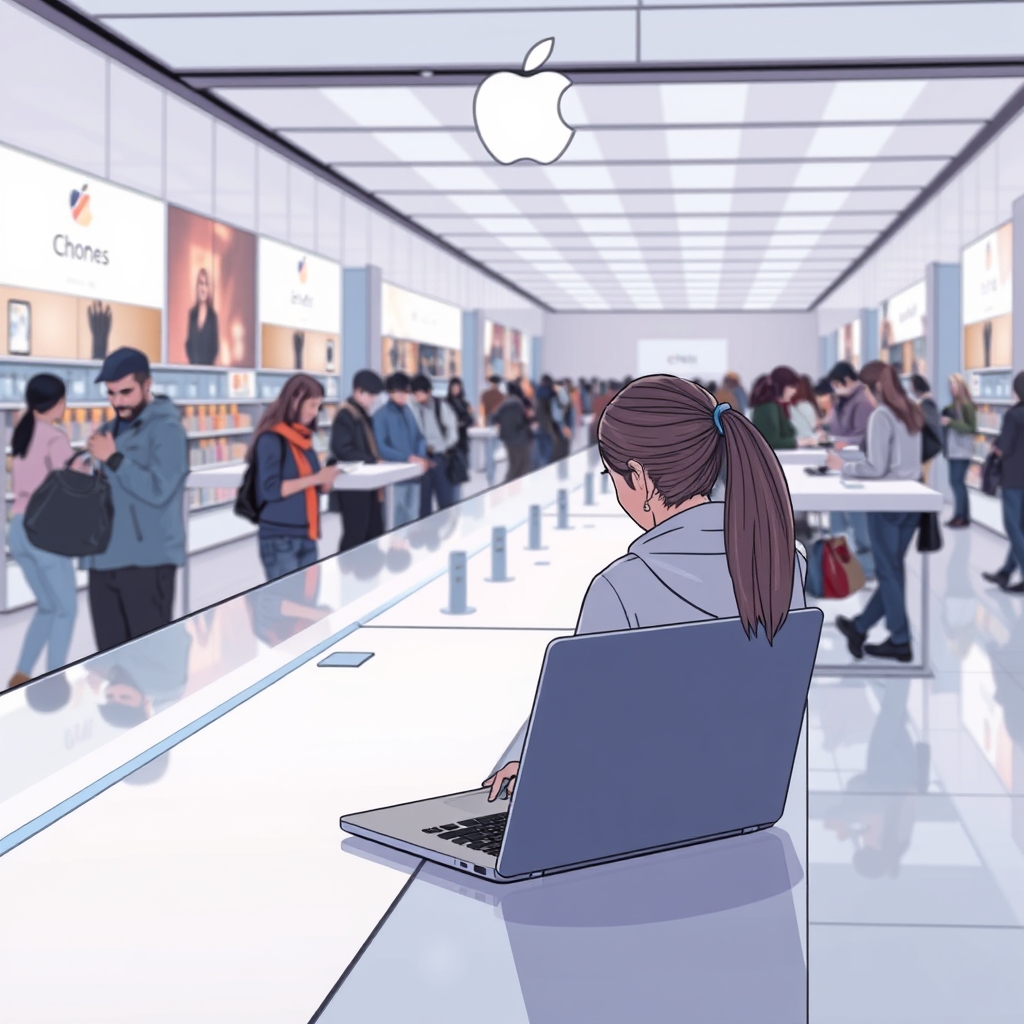
Apple Retail Staff Warn Against iPhone Walk-In Purchases: Full Guide
Apple Retail Staff Warn Against iPhone Walk-In Purchases: What Buyers Must Know
Every year, the tech world pauses to witness one of the most reliable spectacles in modern consumer electronics: the launch of a brand-new iPhone lineup. In the past, this ritual brought long lines of excited shoppers sleeping on sidewalks outside glass-fronted Apple Stores, thermos in hand, waiting for the doors to slide open on Friday morning. Today, however, that familiar retail landscape looks entirely different.
According to internal retail guidance reported by MacRumors, Apple has instructed its store employees to actively warn customers against showing up as walk-ins to purchase the latest iPhone models. Instead of rolling the dice with spontaneous visits, team members are being told to steer shoppers toward online reservations and scheduled pickups. If you were planning to drop by your local Apple Store on a whim to grab a new device, you might want to rethink your strategy.
In this comprehensive guide, we will break down what this internal directive means, explore why Apple is taking such a firm stance against walk-in buyers, analyze how launch logistics have transformed over the past decade, and provide you with actionable steps to ensure you get the exact model, color, and storage capacity you want without wasting your valuable time.
The Internal Memo: What Apple Told Retail Employees
The latest report highlights a conscious effort by Apple leadership to manage customer expectations right at the entrance of their physical stores. Internal communications shared across Apple retail locations instruct specialists and greeters to deliver a clear message to prospective buyers: walking in without an appointment or prior online order is unlikely to result in a phone in your pocket.
Instead of encouraging visitors to browse display tables while waiting for an unreserved device to magically materialize from the back room inventory, staff are directed to explain the realities of store stock. Employees are trained to explain that physical inventory allocated for walk-in purchases is either exceptionally low or completely non-existent during high-demand windows. Rather than allowing customers to queue up in long lines with no guarantee of inventory, employees must guide them to the Apple Store app or the official website to place a pickup reservation.
This is not an accidental policy. It is a carefully coordinated operational playbook designed to solve several persistent headaches that have plagued Apple retail spaces during major release cycles.
Why Is Apple Discouraging Walk-In iPhone Purchases?
Apple has built one of the most profitable retail footprints in the world, generating more revenue per square foot than almost any other commercial brand. Every square foot of an Apple Store is engineered for a seamless, upscale customer experience. Uncontrolled walk-in traffic directly interferes with that formula. Here are the core reasons behind the push to eliminate walk-in sales during peak periods.
1. Mitigating Customer Disappointment
There is nothing more frustrating for a customer than spending two hours commuting to an Apple Store, waiting in an auxiliary line, and finally reaching a specialist only to discover that the specific configuration they want is out of stock. When a buyer wants a 256GB model in a specific finish, offering them a 512GB version in an alternate color creates friction. By setting clear expectations at the entrance, Apple avoids the bad feelings that come from unexpected stock shortages.
2. Eliminating Dangerous and Chaotic Crowds
In the early days of the iPhone, massive crowds outside stores were viewed as fantastic free marketing. Photos of hundreds of people wrapped around city blocks made front-page news. Over time, however, those crowds created serious logistical challenges, safety risks, and conflicts with local city ordinances and neighboring shopping mall tenants. Today, Apple prefers calm, organized spaces where appointments keep foot traffic predictable.
3. Prioritizing Pre-Orders and Online Fulfillment
Modern inventory logistics rely heavily on predictability. When a customer orders online for in-store pickup, Apple assigns a specific serial number to that order before the customer even leaves their house. This system allows distribution warehouses to send precisely the right number of units to each store, reducing surplus stock sitting idle in back rooms. Walk-in shoppers disrupt this delicate supply balance.
4. Streamlining the In-Store Transaction
Buying an iPhone is rarely as simple as swiping a credit card and walking out. Customers often need carrier activation, eSIM setup, trade-in valuations, AppleCare enrollment, and data transfers from their old device. When sales occur via scheduled appointments, Apple can allocate staffing resources accurately. Walk-in rushes overwhelm staff, leading to rushed interactions and errors during carrier setups.
The Evolution of Apple Launch Days: From Sidewalk Campouts to Digital Queues
To fully understand why Apple is discouraging spontaneous walk-ins, it helps to look back at the evolution of Apple launch days. The retail environment we see today was shaped by more than fifteen years of operational trial and error.
| Launch Era | Primary Purchase Method | Store Experience | Inventory Predictability |
|---|---|---|---|
| Early Era (2007 to 2013) | First-come, first-served walk-in lines | Overnight camping, chaotic crowds, long wait times | Low (frequent sellouts in hours) |
| Transition Era (2014 to 2019) | Hybrid system (online reservations plus walk-in lines) | Split lines, secondary holding areas, tension between groups | Moderate (limited walk-in stock) |
| Modern Era (2020 to Present) | Digital-first reservations and scheduled pickup windows | Orderly check-ins, minimal queues, rapid visits | High (units reserved in advance) |
Under former retail chief Angela Ahrendts, Apple began shifting its philosophy by encouraging buyers to get in line online. That philosophy matured under current retail lead Deirdre O’Brien. The company realized that keeping loyal customers standing on concrete sidewalks for six hours was disrespectful of their time and unnecessary in the era of high-speed digital fulfillment.
The health precautions introduced in 2020 accelerated this transition dramatically. Express storefront pickup counters, timed check-in windows, and contactless interactions proved that retail stores could move thousands of units per day without packing hundreds of people inside at the same time. The current directive to warn against walk-ins is the logical continuation of this modernized retail strategy.
How Apple Retail Stores Manage Their Stock Behind the Scenes
Many consumers assume that if a store has phones on display, there must be boxes sitting in the inventory room ready for purchase. In reality, Apple Store inventory management is far more nuanced. Understanding how Apple organizes its stock helps explain why a specialist cannot simply sell you a phone from the back.
Dedicated Pickup Buckets
When shipments arrive at an Apple Store early in the morning, the inventory management software immediately segregates the units into separate digital pools. A vast majority of the stock is tagged specifically for customers who have already purchased their devices online and selected an in-store pickup window. Even if those phones are physically sitting on shelves in the stockroom, the point-of-sale system prevents employees from ringing them up for a walk-in shopper.
Carrier Allocation Constraints
Not every iPhone in an Apple Store is the same under the hood. While unlocked models are common, many units are specifically allocated for carrier promotions tied to AT&T, Verizon, or T-Mobile. If a store has twenty units earmarked for carrier upgrades and you want an unlocked device at full retail price, an employee cannot simply override the system to hand you that inventory.
Daily Morning Replenishments
Apple Stores receive shipments throughout the week, often on daily schedules during launch months. Inventory counts refresh on the digital backend in the early morning hours, often around 6:00 AM local time. Once those units are released to the online reservation system, fast-acting digital shoppers reserve them within minutes. By the time the physical store opens its glass doors at 10:00 AM, the available stock for that calendar day has usually been claimed.
What Should You Do Instead of Walking In?
Knowing that Apple retail staff are actively steering customers away from walk-in purchases, what is the best strategy to acquire an iPhone without frustration? You do not have to wait weeks for home delivery if you follow a few proven techniques.
1. Master the Apple Store App Reservation System
The official Apple Store app for iOS is by far the fastest and most reliable tool for buying hardware. Web browsers can suffer from cache delays and slow checkout pages during peak demand, but the native iOS app connects directly to Apple’s fulfillment API. Here is the best method to use:
- Open the Apple Store app and choose the exact model, color, and storage tier you desire.
- Save the device to your favorites by tapping the heart icon. This saves valuable time during checkout.
- Check local store inventory early in the morning, between 6:00 AM and 7:00 AM local time. This is when stores process overnight shipments and restock the digital pickup inventory.
- Select your preferred store, pick an available check-in window, and check out using Apple Pay for near-instant confirmation.
2. Consider Carrier Stores for Immediate Physical Stock
If you genuinely need a phone on the exact same day and Apple retail stores are booked solid, remember that wireless carriers operate their own extensive retail networks. Dedicated carrier outlets, such as corporate stores operated by major cellular providers, receive their own direct device shipments. Because casual shoppers often head to Apple first, neighborhood carrier stores may have physical inventory available for walk-in transactions, especially if you plan to activate the phone on a payment installment plan.
3. Explore Authorized Apple Resellers
National retail partners such as Best Buy, Target, and regional electronics chains are authorized Apple dealers. Many of these stores offer physical pickup reservations through their own websites. Best Buy, in particular, maintains an inventory management platform that displays real-time local availability for in-store pickup. Checking these secondary retailers can save you from a fruitless trip to an Apple flagship store.
4. Choose Direct Home Delivery with Signature Confirmation
If your current phone is still functional and your purchase is not an emergency, home delivery remains the least stressful option. When you order from Apple’s website, your place in the manufacturing queue is locked in. While the estimated delivery window might say three to four weeks during the launch window, Apple is known for under-promising and over-delivering. In many cases, shipping dates move up significantly as factory output ramps up.
The Apple Store Experience: What to Expect When You Have a Reservation
If you follow the recommended path and secure an in-store pickup window through the Apple Store app, your experience will be smooth and efficient. Apple has refined its order fulfillment process into a science.
When you arrive at the store during your reserved window, you will present your digital pickup pass, which can be stored in your Apple Wallet. A designated greeter will scan the barcode and alert the back-of-house inventory team. A runner will bring your boxed device directly to the pickup staging area, often within two to five minutes.
From there, you can choose how much assistance you need. If you are comfortable transferring your own data at home using an iCloud backup or direct device-to-device migration, you can simply grab your bag and leave. If you need help transferring an existing physical SIM card to an electronic eSIM, or if you are handing in a trade-in device for immediate billing credit, a retail specialist will guide you through the process at an available station.
This organized, low-stress environment is precisely what Apple wants to protect by discouraging unscheduled walk-in crowds. It preserves an enjoyable experience for the people who took the time to schedule their visit in advance.
Trade-Ins and Carrier Financing: How Walk-Ins Complicate the Math
Another major reason Apple prefers customers to organize their purchases online beforehand involves the growing complexity of trade-in promotions and carrier financing agreements. Gone are the days when most customers bought an iPhone by paying a flat two-hundred-dollar fee under a simple two-year service contract.
Today, buyers take advantage of intricate multi-tiered promotional trade-in credits that can reach upwards of one thousand dollars spread across twenty-four or thirty-six monthly billing statements. Calculating these credits, verifying carrier account PINs, verifying primary account holder status, and running credit authorizations takes time.
When you place an order online for in-store pickup, all of the billing verification and financing paperwork is processed digitally before you set foot in the building. When walk-in shoppers attempt to execute these complex carrier arrangements on the fly, it creates long bottlenecks. A single unexpected account lock or carrier server delay can tie up a staff member for forty-five minutes, leaving other walk-in customers stranded in the lobby.
Frequently Asked Questions About Apple Retail Purchases
Can an Apple Store turn me away if I want to buy a phone as a walk-in?
Apple retail staff will not treat you rudely, but they will be direct about their capabilities. If there is no walk-in inventory available, an employee will politely inform you that they cannot complete a sale. They will offer to help you check online availability or place a digital order on your personal smartphone, but they cannot sell you a device that is already reserved for another customer.
What happens if I show up early or late for my scheduled pickup window?
Apple understands that traffic and public transit delays happen. If you arrive slightly early or late on your scheduled pickup day, stores will almost always fulfill your order, provided you arrive during regular business hours on that same date. However, showing up during your designated window ensures the shortest possible wait time.
Do refurbished models follow the same walk-in restrictions?
Apple Certified Refurbished products are sold almost exclusively through Apple’s online refurbished storefront. Standard physical Apple retail stores do not carry stock of certified refurbished iPhones for immediate off-the-shelf purchase. Those devices must be ordered online for home delivery.
Are accessories like cases and chargers subject to walk-in warnings?
No. The warning against walk-ins applies specifically to high-demand hardware such as new iPhone models, Apple Watches, and newly launched iPads. Everyday accessories such as silicone cases, MagSafe power adapters, braided cables, and AirPods are widely stocked on store shelves. You can walk into any Apple Store, grab an accessory off the shelf, scan it yourself using the EasyPay feature in the Apple Store app, and walk out without waiting for a specialist.
The Broader Impact on Consumer Tech Retail
Apple’s move away from walk-in purchases is part of a permanent shift in how consumers interact with premium technology brands. Brick-and-mortar retail is no longer primarily about housing rows of retail boxes for random browsing. Instead, physical storefronts have become experiential showrooms, customer support hubs, and rapid distribution nodes for digital orders.
Other major electronics manufacturers and retailers are adopting similar models. By blending digital commerce with physical locations, companies reduce retail overhead, minimize shrink and theft risks, and eliminate the chaotic scenes that once characterized tech launch days. For the consumer, it means less standing in bad weather and more certainty about getting the exact product you want.
Summary Checklist for Buying Your Next iPhone
Before you get in your car to drive to the nearest shopping district, run through this quick checklist to ensure a smooth, disappointment-free upgrade:
- Do not gamble on a walk-in visit: Take the internal retail advice seriously. Walking in without a reservation during a launch cycle is likely to result in empty hands.
- Download the Apple Store app: It is faster than mobile browsers and allows seamless Apple Pay checkout.
- Check for morning inventory drops: Check store availability around 6:00 AM local time when warehouse shipments are entered into store inventory.
- Prepare your current device: Back up your phone to iCloud, ensure you know your Apple ID password, and verify your carrier account credentials if you plan to trade in or finance.
- Keep alternative retailers in mind: If Apple is backordered, verify stock with corporate carrier stores or authorized electronics partners like Best Buy.
By shifting your approach from an old-school walk-in visit to a modern digital reservation, you will save time, avoid frustration, and experience Apple retail the way it was designed to be enjoyed: fast, friendly, and efficient.



news via inbox
Nulla turp dis cursus. Integer liberos euismod pretium faucibua