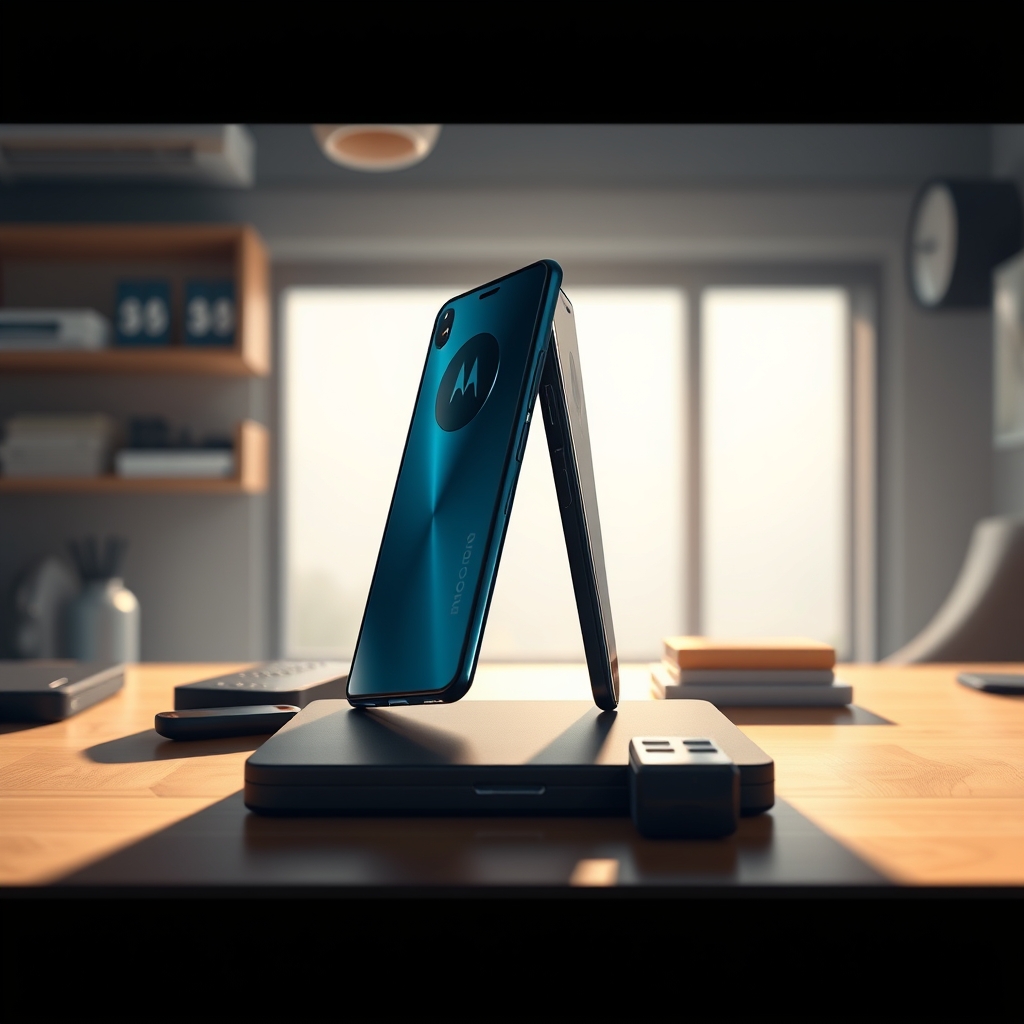
Motorola Wide Foldable: Name, Specs & Details
Introduction: The Evolution of Motorola in the Foldable Era
The foldable smartphone arena is experiencing an unprecedented surge in innovation. For years, the market has witnessed a distinct split between two primary form factors: the compact, pocket-friendly clamshell flip phone and the larger, productivity-focused book-style foldable. While brands like Samsung, Google, and OnePlus have actively competed in both categories or pushed heavily into book-style tablets in disguise, Motorola has historically focused its energy on mastering the flip format with its iconic Razr lineup.
That dynamic is shifting rapidly. Tech enthusiasts and industry observers have long wondered when the Lenovo-owned pioneer would translate its foldable hinge expertise and software polish into a full-sized, horizontal folding powerhouse. The wait is finally nearing its end. Recent leaks and regulatory filings covered across the industry have confirmed that Motorola’s much-rumored wide foldable now has an official identity, and its core technical specifications have entered the public domain.
This upcoming device represents more than just another competitor in an increasingly crowded niche. It signals Motorola’s ambition to redefine what users should expect from large-screen productivity, aspect ratios, and everyday usability. In this comprehensive breakdown, we will examine the leaked specifications, explore the ergonomic philosophy behind the “wide” design, evaluate the hardware and software synergy, and determine how this new entrant could disrupt the existing foldable hierarchy.
Naming the Beast: Identity and Market Positioning
For several quarters, tech forums referred to Motorola’s mysterious horizontal foldable under various internal code names and speculative monikers. Moving from concept to commercial execution requires a branding strategy that honors the brand’s heritage while communicating modern flagship power.
The device is set to join Motorola’s premium portfolio, carving out a top-tier slot that bridges the gap between lifestyle convenience and high-performance computing. Rather than treating this device as a niche experiment, Motorola is positioning it as a direct alternative to the dominant book-style devices currently on the market. By establishing a clear, recognizable product identity, Motorola aims to capture both long-time brand loyalists and power users who have grown dissatisfied with the compromises found on competing hardware.
The branding also clarifies Motorola’s broader product roadmap. Instead of replacing the beloved Razr clamshells, this new wide foldable expands the ecosystem, offering consumers a complete choice: ultra-compact vertical portability or an expansive dual-screen productivity workstation.
The “Wide” Philosophy: Rethinking Foldable Ergonomics
One of the most defining aspects of this upcoming device is its deliberate choice of a wider cover display. To understand why this matters, it helps to examine the historical design challenges of book-style foldables.
Early iterations of book-style foldables often featured unusually tall and narrow outer screens. While comfortable to hold in one hand, typing on those cramped outer keyboards frequently resulted in typos, and conventional Android applications struggled with the unconventional aspect ratios. Users often felt forced to open the device even for brief, simple tasks like replying to a message or navigating maps.
Motorola has adopted a user-centric “wide” design philosophy for its new flagship. By opting for a broader outer screen ratio—closely resembling a standard, modern flat smartphone—the outer display functions as a completely natural, uncompromised phone. You can type effortlessly with two thumbs, view media without awkward letterboxing, and access your daily tools instantly.
When unfolded, this wide chassis transforms into a nearly squarish canvas optimized for side-by-side multitasking, document editing, and immersive content consumption. This balance ensures that unfolding the device feels like an intentional upgrade for deeper work rather than a mandatory requirement just to get basic tasks done.
Display Technology: Dual Screens Built for Fluid Performance
Displays make or break any foldable smartphone. Motorola has invested heavily in cutting-edge panel technology to deliver exceptional visual quality across both screens.
The Cover Screen
The exterior panel is engineered to serve as a standalone flagship display. Featuring high-grade OLED technology with support for high refresh rates up to 120Hz or higher, the cover screen offers smooth animations, vibrant color reproduction, and deep black levels. High peak brightness levels ensure that outdoor visibility under direct sunlight remains crisp and legible.
The Inner Foldable Canvas
Unfolding the device reveals a large, flexible LTPO OLED panel. The LTPO backplane allows dynamic variable refresh rate adjustments, scaling down to conserve battery life during static tasks like reading e-books, and ramping up dynamically during gaming or rapid interface navigation. Color accuracy conforms to professional DCI-P3 standards, making it well-suited for mobile creators and photo editors.
Crease Mitigation and Durability
Motorola has leveraged its proprietary teardrop hinge design—perfected across several generations of the Razr series—to tackle the visible display crease. By allowing the flexible screen to curve inside the hinge cavity in a gentle waterdrop shape when closed, the mechanical stress on the Ultra Thin Glass (UTG) layer is dramatically reduced.
This engineering achievement results in two tangible benefits:
- A Significantly Shallower Crease: The center valley is virtually invisible during direct viewing and barely noticeable beneath your fingertips when swiping across the screen.
- Zero-Gap Closure: The phone folds completely flat, preventing pocket lint and debris from entering the interior display assembly and potentially damaging the fragile flexible substrate.
Under the Hood: Flagship Processing and Performance
A device designed for serious multitasking requires top-tier silicon. Motorola has equipped its wide foldable with high-performance flagship internals capable of handling demanding workflows without thermal throttling.
At the heart of the device lies a top-tier Snapdragon mobile platform. Built on an advanced low-nanometer manufacturing node, the processor delivers significant leaps in CPU single-core and multi-core efficiency, alongside class-leading graphical rendering. Dedicated Neural Processing Units (NPUs) handle complex on-device AI tasks, such as real-time audio transcription, intelligent computational photography, and generative text tools.
To support heavy multitasking, Motorola pairs this flagship processor with generous memory configurations:
- High-Speed LPDDR5X RAM: Providing ample overhead to keep dozens of browser tabs, productivity apps, and background sync operations instantly active without reloading.
- Fast UFS 4.0 Storage: Delivering ultra-fast read and write speeds that accelerate app launch times, file transfers, and 4K video rendering.
- Advanced Vapor Chamber Cooling: A multi-layered thermal dissipation system spread across both halves of the chassis ensures that heat is drawn away from the processor quickly during sustained gaming sessions or intensive multi-window work.
Camera Architecture: Professional Imaging in a Thin Frame
Historically, foldable smartphones have had to make compromises in the camera department due to chassis thickness constraints. Folding mechanisms and dual battery systems leave limited internal volume for large optical sensors and periscope zoom modules. However, Motorola’s wide foldable seeks to close the gap between conventional camera flagships and folding devices.
Primary Camera Sensor
The main camera utilizes a large, high-resolution sensor equipped with Optical Image Stabilization (OIS) and fast autofocus technology. By utilizing pixel-binning algorithms, the camera captures superior dynamic range and rich detail in difficult low-light environments, while keeping digital noise to a minimum.
Ultra-Wide and Macro Versatility
Complementing the main shooter is an ultra-wide lens with an expansive field of view. Integrated macro capabilities allow users to capture extreme close-ups of textures, nature, and documents with crisp edge-to-edge sharpness and accurate geometry correction.
Dedicated Telephoto Zoom
Addressing one of the most requested features among power users, the device incorporates a dedicated telephoto camera. Offering optical zoom levels that preserve detail without digital artifacting, this lens makes portrait photography and distant subject framing clean and natural.
Dual Selfie Configurations
Because foldables feature two distinct display states, the device is equipped with front-facing cameras on both the outer display and the internal screen. Users can participate in high-definition video conferences while the phone is propped up on a desk in tent or half-folded mode, or use the high-quality main rear cameras for selfies by framing their shot on the cover screen.
Battery Life and High-Speed Charging Solutions
Powering two separate screens—one of which is tablet-sized—requires intelligent power distribution and a substantial battery capacity. Motorola addresses this through a split dual-cell battery architecture, strategically distributing weight across both halves of the phone for better hand balance.
The combined battery capacity is designed to comfortably power users through a full day of mixed inner and outer screen usage. Thanks to the power-efficient processor architecture and dynamic LTPO display scaling, idle power draw is kept remarkably low.
When you do need to top up, Motorola’s proprietary TurboPower fast wired charging gets you back up and running in minutes rather than hours. Wireless charging support is also integrated, ensuring maximum convenience for users who prefer charging stands on their work desks or nightstands.
Software Experience: Hello UI, Multitasking, and “Ready For”
Exceptional hardware requires thoughtful software to truly shine. Motorola has earned praise across the Android community for its clean, bloatware-free approach to software, and this wide foldable runs on Motorola’s modern, refined Hello UI skin layered on top of Android.
Multi-Window Ergonomics
The software takes complete advantage of the expansive inner screen. Users can effortlessly drag and drop applications into split-screen views, run three apps concurrently, and keep floating windows accessible on demand. Smart app pairs can be saved to the home screen or taskbar, allowing one-tap launching of frequently combined workflows—such as a note-taking app beside a PDF reader or a financial sheet beside a calculator.
Flex Mode and Adaptive UI
Thanks to the stable friction hinge, the phone can hold its position at various angles. When partially folded in a laptop-like stance, supported apps adapt their interface dynamically:
- Media Playback: The video moves to the top half of the screen while dedicated playback controls, volume sliders, and brightness adjustments appear on the bottom half.
- Camera Interface: The top half becomes the viewfinder while the lower half presents the shutter button, gallery preview, and manual camera settings.
- Video Conferencing: The camera remains steady on the top section for hands-free meetings, freeing the bottom section for meeting notes or chat windows.
Motorola “Ready For” Ecosystem
The device integrates seamlessly with Motorola’s “Ready For” platform. By connecting the phone to an external monitor, TV, or Windows PC wirelessly or via USB-C, users can launch a full-featured desktop computing environment. The phone can act as a trackpad, keyboard, or companion screen, making it a viable mobile workstation for business travelers who want to leave heavy laptops behind.
Detailed Hardware Specification Breakdown
To provide a clear and organized overview of what this groundbreaking device brings to the table, here is a structured summary of the key technical specifications and architectural highlights:
| Feature / Category | Specification Highlight |
|---|---|
| Form Factor | Horizontal Book-Style Wide Foldable with Zero-Gap Teardrop Hinge |
| Cover Display | Ergonomic Wide OLED, 120Hz Refresh Rate, High Peak Brightness |
| Main Internal Display | Flexible LTPO OLED, 1-120Hz Dynamic Refresh Rate, Ultra Thin Glass (UTG) |
| Processor | Qualcomm Snapdragon Flagship Tier Platform |
| Memory & Storage | Up to 16GB LPDDR5X RAM / Up to 512GB / 1TB UFS 4.0 Storage |
| Rear Camera Array | Triple Setup: High-Res Main (OIS) + Ultra-Wide/Macro + Telephoto Zoom |
| Front Cameras | Dual Punch-Hole Cameras (Cover Display + Inner Main Screen) |
| Battery & Charging | Dual-Cell Battery System with TurboPower Fast Wired & Wireless Charging |
| Operating System | Hello UI based on modern Android with Advanced Multi-Window Support |
| Connectivity | 5G Sub-6/mmWave, Wi-Fi 7, Bluetooth 5.4, NFC, USB Type-C (DisplayPort Out) |
Direct Market Comparison: How It Stacks Against Competitors
Entering the book-style foldable arena means going head-to-head with entrenched industry heavyweights. Let us analyze how Motorola’s wide foldable positions itself against the key players in this segment.
Versus Samsung Galaxy Z Fold Series
Samsung has long dominated the global market share in foldables, but it has frequently faced criticism regarding its narrow outer display and persistent hinge crease. Motorola’s device tackles these points directly by offering a noticeably wider, more practical cover screen and an advanced teardrop hinge that minimizes the crease. Additionally, Motorola’s clean software experience appeals to users who find rival custom skins overly cluttered.
Versus OnePlus Open
The OnePlus Open set a high standard for outer display aspect ratios and lightweight hinge design. Motorola matches this form factor philosophy while bringing its proprietary software ecosystem, including “Ready For” desktop capabilities and deep PC integration. For enterprise users and professionals, Motorola’s security features and desktop extension offer distinct productivity advantages.
Versus Google Pixel Fold Series
Google’s foldable offerings emphasize stock software and AI-driven photography. Motorola counters this with comparable clean Android sensibilities, combined with more extensive customization through Hello UI and superior fast-charging capabilities. While Google leans heavily on cloud-based processing, Motorola’s balanced hardware-software synergy ensures snappy on-device performance across heavy gaming and productivity tasks alike.
Why the “Wide Foldable” Format Matters for the Future
The shift toward wider aspect ratios in book-style foldables is not an arbitrary design trend; it is a direct response to years of user feedback. Early foldable designs prioritized how thin and narrow the folded device could be, often compromising real-world usability in the process.
When a cover screen is too narrow, the user is forced into a binary experience: either tolerate an uncomfortable typing interface on the outside or open the full internal screen for every single task. By designing a cover screen with standard smartphone proportions, Motorola acknowledges that a foldable must first succeed as a standard smartphone before it can succeed as a tablet.
Furthermore, an outer screen that works effortlessly encourages users to be more deliberate with their screen time. Quick replies, calendar checks, and map directions happen naturally on the front. When you intentionally unfold the device, you enter an expansive workspace tailored for reading long documents, editing spreadsheets, sketching ideas, or enjoying cinematic media. This dual-purpose identity makes the wide foldable form factor the most practical blueprint for modern hybrid devices.
Durability, Engineering, and Longevity Considerations
Durability remains a primary consideration for consumers investing in premium foldable hardware. Motorola has incorporated several structural innovations to ensure long-term reliability:
- Reinforced Hinge Architecture: Built using high-strength aircraft-grade aluminum and steel alloys, the hinge mechanism is rated for hundreds of thousands of fold-and-unfold cycles—equivalent to years of heavy daily usage.
- Dust and Water Resistance: Utilizing precision micro-gaskets and specialized hydrophobic coatings, the internal electronics are protected against accidental splashes and everyday environmental exposure.
- Shock-Absorbing Layers: Beneath the flexible OLED panel, specialized structural plates absorb impacts from drops and reduce the risk of internal micro-fractures over time.
Software longevity is equally crucial. Motorola has steadily improved its commitment to long-term Android operating system upgrades and regular security patches, ensuring that this flagship remains secure, performant, and up to date throughout its lifecycle.
Market Availability, Launch Expectations, and Pricing Strategy
With specs and naming details now confirmed through leaks and regulatory databases, the official launch is right around the corner. Motorola has historically used major global tech events and dedicated international keynotes to unveil its high-profile flagships.
Pricing will be a critical factor in determining Motorola’s success in this category. While book-style foldables naturally command premium prices due to their complex dual-display assemblies and intricate hinges, Motorola has built a strong reputation for aggressive, value-driven pricing in the flip phone market. If Motorola prices this wide foldable competitively against established rivals, it could significantly lower the barrier to entry for consumers looking to transition to large-screen folding technology.
Global distribution is expected across major markets, including North America, Europe, and Asia, available through major carrier partnerships and unlocked retail channels.
Final Verdict: A Milestone Moment for Motorola
The unveiling of Motorola’s wide foldable marks a pivotal milestone for the brand and the broader smartphone industry. By entering the horizontal foldable category with a mature “wide” screen philosophy, robust hinge mechanics, flagship processing power, and a clean, versatile software suite, Motorola is sending a clear message: it is ready to compete at the highest tier of mobile innovation.
For consumers and enterprise users who have held off on buying a book-style foldable due to awkward outer screen dimensions, deep creases, or slow charging speeds, Motorola’s latest creation addresses those pain points head-on. As the official launch approaches, TechRook will continue to provide complete hands-on coverage, real-world benchmarks, and in-depth reviews to help you determine if this wide foldable should be your next daily driver.



news via inbox
Nulla turp dis cursus. Integer liberos euismod pretium faucibua