Xbox Cannot Say GTA 6 in Marketing: Why Microsoft Dances Around Rockstar’s Next Giant Hit
Xbox Cannot Say GTA 6 in Marketing: Why Microsoft Dances Around Rockstar’s Next Giant Hit
Grand Theft Auto 6 is comfortably the most anticipated video game on the planet. Every single teaser, trailer breakdown, and community rumor generates millions of views within minutes. Yet, if you take a close look at official social media channels, advertisements, and community posts from Microsoft and Xbox, you might notice something very unusual. Xbox regularly talks about big upcoming video games. They hype up third-party releases, celebrate industry milestones, and interact with popular gaming culture every single day. However, when it comes to Grand Theft Auto 6, Xbox acts like someone who wants to talk about a secret party without ever naming the host.
Recent observations highlighted by Eurogamer and sharp-eyed video game enthusiasts have confirmed a curious trend. Xbox appears entirely unable, or at least contractually blocked, from writing or saying the words “GTA 6” or “Grand Theft Auto VI” across its official promotional channels. Even when Xbox clearly refers to the neon-soaked, crime-filled world of Vice City, the marketing team resorts to clever jokes, indirect hints, and subtle nods. Why is one of the biggest gaming corporations in the world tiptoeing around the biggest game in history? The answer lies in the fierce, high-stakes world of console marketing rights.
The Obvious References That Never Say the Name
The situation became impossible to ignore through several lighthearted social media exchanges and promotional graphics. When major cultural moments occur around Rockstar Games, Xbox inevitably wants to participate. After all, Grand Theft Auto 6 is confirmed to release on Xbox Series X and Xbox Series S alongside PlayStation 5. Microsoft has every reason to remind players that the blockbuster game is heading straight to their hardware.
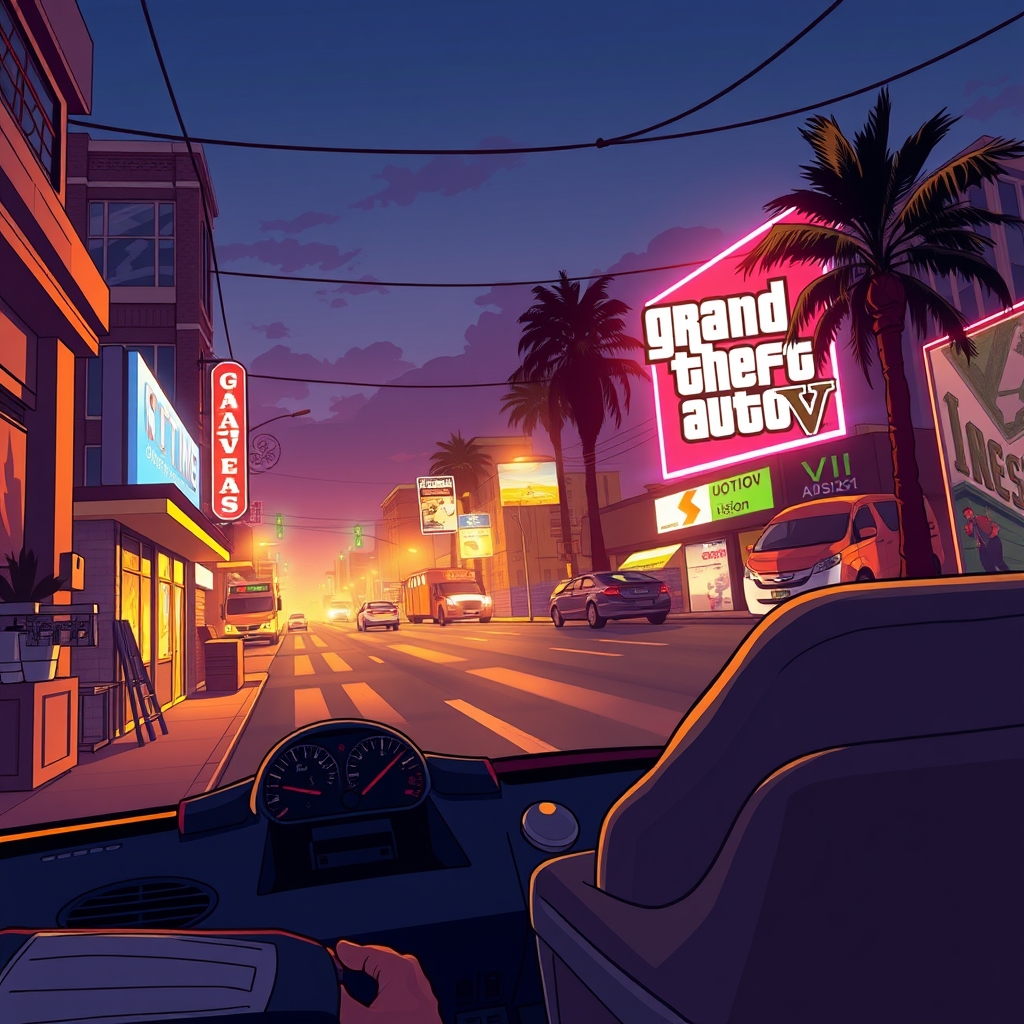
Instead of posting clear promotional banners that say “Play GTA 6 on Xbox Series X,” the company relies on knowing winks. Whenever the community discusses the upcoming game, official Xbox channels often respond with playful references to palm trees, fast cars, coastal heists, or simply “that huge game everyone is waiting for next year.” They share memes featuring pastel pink and purple sky gradients that mirror the signature visual palette of modern Vice City. They talk about cleaning off hard drives for massive upcoming open worlds. Yet, across all these posts, the official title remains completely absent.
For casual observers, this might look like a quirky social media personality trying to be cool and mysterious. For industry veterans, it tells a very different story. It looks like a marketing department working under strict legal instructions. When a brand clearly wants to capitalize on the biggest cultural trend in gaming but refuses to use the trademarked name, there is almost always a contract standing in the way.
Understanding Co-Marketing Rights in the Console Wars
To understand why Xbox is walking this bizarre tightrope, you have to understand how video game publishing deals operate behind closed doors. In modern console gaming, there are three main categories of game releases:
- First-Party Exclusives: Games made and funded by console creators, such as Halo for Xbox or God of War for PlayStation.
- Third-Party Exclusives: Games made by independent studios that are paid to launch only on one platform, either permanently or for a limited time.
- Multiplatform Games with Exclusive Marketing Rights: Games that launch on both Xbox and PlayStation at the same time, but only one platform is legally allowed to promote the game in official advertisements.
Grand Theft Auto 6 falls firmly into the third category. Developing a massive open-world game like GTA 6 costs hundreds of millions of dollars. Rockstar Games and its parent company, Take-Two Interactive, do not need to make the game exclusive to one console to turn a massive profit. Locking GTA 6 to just PlayStation or just Xbox would cut their addressable audience in half and leave hundreds of millions of dollars on the table.
However, platform holders like Sony are more than willing to write enormous checks simply for the privilege of associating their console brand with the game. When a console manufacturer buys exclusive global marketing rights, they acquire the sole right to put their console logo next to the game title in commercials, social media ads, billboards, and retail displays. In return, the competing platform holder is strictly barred from using the game’s official name and logos in their own promotional pushes.
The Long History Between PlayStation and Rockstar Games
The relationship between Sony Interactive Entertainment and Rockstar Games stretches back decades. While original Grand Theft Auto titles appeared on multiple platforms, the release of Grand Theft Auto III on PlayStation 2 changed the industry forever. For years, the franchise maintained a close association with the PlayStation brand. Even when subsequent games launched day-and-date on Xbox platforms, Sony worked tirelessly to secure the marketing rights.
Consider the history of Grand Theft Auto V. When GTA V launched in 2013 on PlayStation 3 and Xbox 360, television advertisements predominantly featured the PlayStation branding at the end of the trailer. When the game was enhanced for PlayStation 4 and Xbox One, Sony once again held the promotional microphone. When the enhanced edition arrived for PlayStation 5 and Xbox Series X|S, Sony even offered exclusive perks, such as free monthly in-game cash for PlayStation Plus subscribers and standalone access to GTA Online.
We saw this exact same pattern with Rockstar’s other flagship title, Red Dead Redemption 2. Sony secured the marketing rights, featured the game heavily in PlayStation promotional material, and offered timed-exclusive online content for PS4 players. Because of this entrenched, lucrative partnership, industry analysts widely expect that Sony has once again secured the global co-marketing rights for Grand Theft Auto 6.
What a Marketing Agreement Actually Restricts
Many players wonder how strict these agreements really are. Does a marketing deal mean Xbox cannot even mention the name on a social media account? The short answer is yes. Video game promotional contracts are crafted by teams of specialized corporate attorneys, and they are notoriously thorough.
When one platform secures an exclusive marketing package, the agreement typically contains non-promotion clauses aimed directly at the rival platform. These clauses often include the following restrictions:
- No Official Ad Buys: The competing platform cannot buy television, digital, or print ads featuring the game title or official key art.
- No Co-Branded Trailers: The competing platform cannot re-upload official trailers with their own console bumper or splash screen at the end.
- No Branded Hardware Bundles: The rival platform cannot package the game in an official console bundle at retail launch without explicit permission.
- Restricted Social Media Mentions: The rival platform cannot use the official game trademark in promotional campaigns, store spotlights, or hype reels without risking a breach of contract claim.
If Microsoft were to publish a flashy banner on the Xbox dashboard stating “Pre-order Grand Theft Auto 6 on Xbox Series X today” while Sony holds the exclusive co-marketing license, Take-Two Interactive and Sony would immediately challenge it. Depending on the exact wording of the contract, doing so could trigger legal disputes, financial penalties, or damage business relationships with one of the most powerful publishers in the world.
Marketing Rights vs. Platform Exclusivity
Because marketing contracts can be confusing to everyday consumers, it is helpful to look at how they differ from standard platform exclusivity agreements. Here is a clear comparison of the two concepts:
| Feature | Platform Exclusivity | Exclusive Marketing Rights |
|---|---|---|
| Game Availability | Playable only on one specific console or ecosystem. | Playable on both Xbox and PlayStation on day one. |
| Commercials & Trailers | Promoted only by the exclusive platform owner. | Promoted exclusively alongside the partner platform’s branding. |
| Retail Presence | Physical copies exist only for the exclusive system. | Physical copies are sold for all supported consoles. |
| Rival Platform Mentions | Irrelevant, since the game is not on the rival system. | Strictly limited or forbidden by promotional non-compete clauses. |
| Typical Goal | Force consumers to purchase specific hardware. | Create the public perception that the game belongs to one console. |
This table illustrates the primary goal of marketing deals. Sony does not need to prevent Xbox owners from playing GTA 6. Instead, Sony wants the casual consumer to subconsciously believe that PlayStation is the natural, premier home for Grand Theft Auto. When millions of casual gamers see commercials ending solely with the PS5 logo and hear Sony talking about custom DualSense controller features, many simply assume the game is a PlayStation exclusive or best experienced on that hardware.
How Xbox Uses Guerrilla Marketing to Fight Back
Microsoft is well aware of how powerful marketing perception can be. When a competitor owns the official megaphone for the biggest game of the decade, the competing team cannot simply sit quietly in a corner. This is where modern social media strategies and guerrilla marketing come into play.
Instead of violating contracts, the Xbox team uses clever circumlocution. By leaning into shared cultural knowledge, Xbox can communicate directly with gamers without using protected trademarks. When a social media manager for Xbox posts a picture of a helicopter flying over a sunset coastline and asks followers what city they plan to visit in 2025, every single gamer knows the answer. The comment section fills up with thousands of mentions of Vice City and GTA 6.
This strategy accomplishes two major goals for Microsoft:
- Engagement Without Liability: Xbox generates massive social engagement and joins the viral conversation without violating legal restrictions or using restricted intellectual property.
- Subtle Association: By participating in the community hype, Xbox subtly reminds its community that they will be playing the game on their Xbox consoles, counteracting the heavy PlayStation-focused official marketing.
It is a playful, tongue-in-cheek game of cat and mouse. The community enjoys the inside joke, the social managers maintain relevance, and the corporate legal teams remain completely satisfied that no contracts have been breached.
The Impact on Xbox Series S and Series X Players
Seeing Xbox dance around the game’s title has led some casual fans to wonder if there is bad news hidden beneath the surface. Does the lack of official GTA 6 marketing from Xbox mean the game will skip the platform, perform poorly, or arrive late? The answer is a resounding no.
Rockstar Games officially confirmed in their initial press release that Grand Theft Auto 6 is coming to PlayStation 5 and Xbox Series X|S systems simultaneously. There has been no indication whatsoever of timed console exclusivity. Xbox players will be able to buy, download, and play the game on the exact same calendar day as PlayStation players.
There have been discussions across the gaming community regarding the technical demands of GTA 6, particularly regarding how the lower-powered Xbox Series S will handle Rockstar’s complex simulation systems. However, Rockstar Games has a legendary reputation for optimization and technical wizardry. While Series S users might see lower rendering resolutions or adjusted graphical settings compared to Series X and PS5, the game is being developed directly for both Microsoft machines.
The total absence of the name “GTA 6” in Xbox’s social media and promotional material is entirely a business formality. It has nothing to do with game performance, release dates, or platform support. It is purely the result of paper contracts governing advertising rights.
The Growing Value of Co-Marketing in the Modern Era
The situation surrounding GTA 6 highlights how expensive and competitive the video game industry has become. Years ago, console exclusivity was common. Platforms routinely secured massive third-party games exclusively for their systems. Today, game development cycles routinely take five to seven years and cost hundreds of millions of dollars. As a result, third-party publishers are increasingly reluctant to sign full exclusivity deals unless the platform holder covers nearly the entire development budget.
Because full exclusivity has become prohibitively expensive, console makers have shifted their budgets toward co-marketing rights. We see this dynamic play out across many major franchises:
- Sony frequently partners with Capcom for Resident Evil, ensuring PlayStation branding appears on trailers and marketing pushes.
- Microsoft frequently secures marketing agreements for major role-playing games and sports titles, showcasing Xbox Series X logos at the end of world premiere trailers.
- Sony holds a tight marketing grip on major Square Enix titles, ensuring strong associations between the Final Fantasy series and the PlayStation brand.
These marketing deals are essentially battles for perception. Most casual gamers do not read industry trade publications or study developer press releases. They watch trailers during sporting events, view short video clips on social media platforms, and look at retail store displays. If every trailer they see features a specific console logo, they naturally gravitate toward purchasing that console when it is time to play the game.
Why Rockstar Prefers Single-Platform Marketing Partners
From Rockstar Games and Take-Two Interactive’s perspective, partnering with one platform holder for marketing makes immense business sense. First, it brings in an enormous upfront cash injection that offsets massive promotional budgets. Developing Grand Theft Auto 6 is only half the battle; marketing the game globally across billboards, digital platforms, television, and events requires millions of dollars in spending.
By selling exclusive marketing rights to a partner like Sony, Rockstar allows PlayStation to handle a substantial portion of the heavy lifting. Sony spends its own advertising budget to promote PlayStation hardware featuring GTA 6, which effectively gives Rockstar free, premium promotion across the globe. Meanwhile, Rockstar still collects the profits from every single copy sold on Xbox consoles.
Furthermore, maintaining a single primary marketing partner streamlines messaging. It prevents confusing advertising campaigns where two console giants run competing commercials for the same title with conflicting messaging. Rockstar maintains ironclad control over its brand identity, aesthetic presentation, and public reveals, while Sony serves as the eager amplifier.
How Fans and the Community View the Situation
The gaming community has largely responded to Xbox’s awkward situation with humor. On platforms like Reddit, X (formerly Twitter), and TikTok, gaming enthusiasts frequently post memes about Microsoft’s social media managers sweating profusely whenever GTA 6 trends. When Xbox posts about generic sunny beaches or fast sports cars, the top comments are almost always filled with screenshots of GTA characters and laughing emojis.
This dynamic illustrates how savvy modern gamers have become. A decade ago, many casual consumers might have been genuinely confused by the absence of Xbox branding on a major game’s trailers. Today, the gaming audience is far more educated about the business realities of the industry. Players understand what marketing exclusivity means, they recognize the games publishers play, and they find entertainment in watching multi-billion-dollar corporations navigate these legal mazes.
Rather than hurting Xbox, the playful sidestepping might actually work in Microsoft’s favor on community forums. By acting like a participant in the joke rather than a stiff corporate entity, Xbox maintains an authentic, relatable relationship with its audience while respecting the boundaries drawn by Take-Two’s legal counsel.
Looking Ahead to the Launch of GTA 6
As we get closer to the official launch window of Grand Theft Auto 6, this marketing dance will only become more intense. Sony will almost certainly ramp up its co-branded campaigns, potentially offering limited edition PlayStation 5 console covers, custom DualSense controllers, and high-profile bundle packages designed to make PS5 the undisputed cultural home of the title.
Meanwhile, Xbox will continue finding inventive ways to tell its players, “Yes, you can play this here too.” Expect Microsoft to focus heavily on the raw power of the Xbox Series X, highlighting resolution, frame rates, and cloud storage features without ever stepping over the legal line that prevents them from using official marketing assets.
Once the game is officially released, the marketing restrictions will slowly loosen. After launch day, platforms routinely feature player achievements, store spotlights, and gameplay clips openly. But until those launch gates swing open, Xbox will remain the world’s most enthusiastic fan of a game it is legally barred from naming.
Final Thoughts
The curious case of Xbox’s silent treatment toward the name GTA 6 is a fascinating window into the business of modern gaming. It proves that in the modern console landscape, words are expensive, trademarks are fiercely defended, and perception is worth hundreds of millions of dollars. Microsoft may not be allowed to print the words “Grand Theft Auto 6” on its banners, but their marketing team has proven that sometimes, a well-placed wink and a pastel sunset can speak louder than words.
Xbox players can rest easy knowing that the gates of Vice City will open wide for them on day one. In the meantime, the rest of the gaming world can sit back and enjoy the ongoing spectacle of Xbox pretending the most famous game in the world is simply “that one cool title arriving next year.”


news via inbox
Nulla turp dis cursus. Integer liberos euismod pretium faucibua