Nintendo Switch 2 Sales Plunge 41 Percent Amid Price Hikes
Nintendo Switch 2 Sales Plunge 41 Percent Amid Price Hikes and Memory Shortages
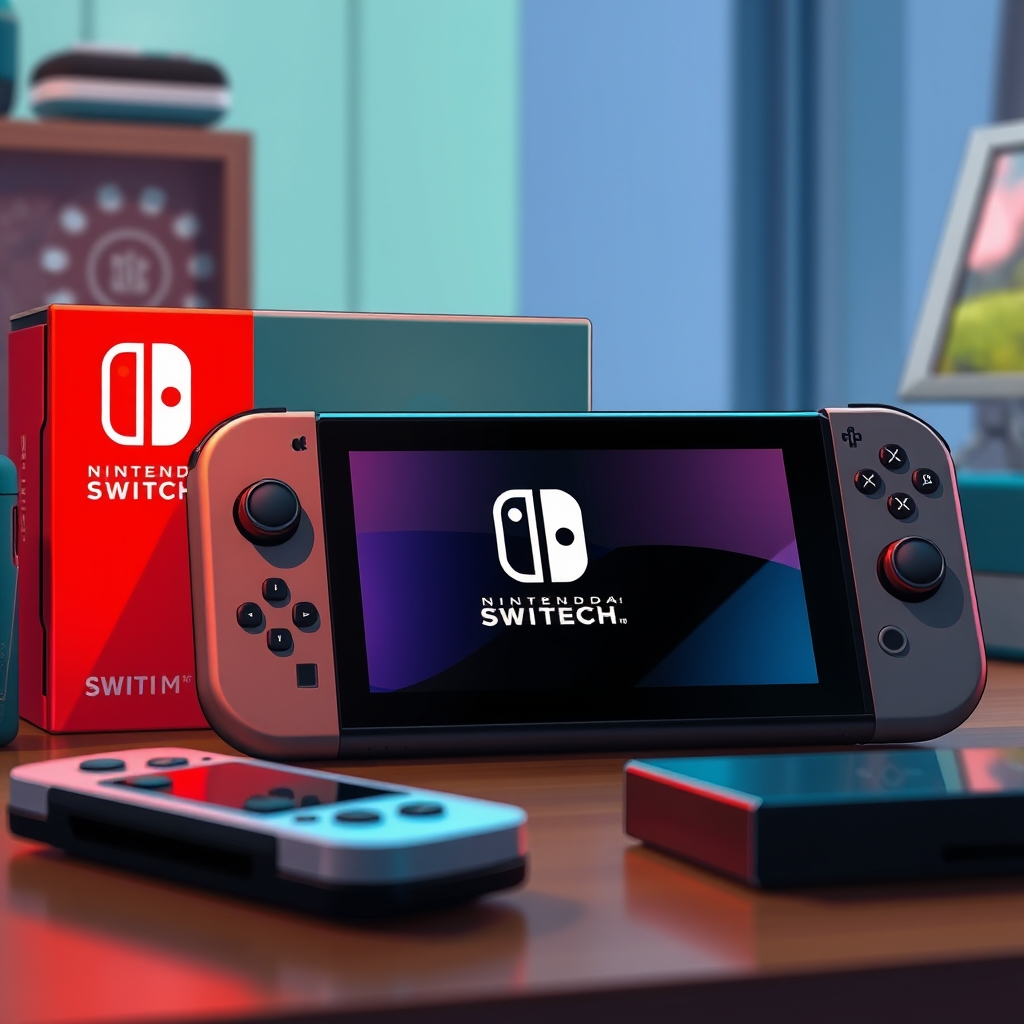
The gaming world is currently experiencing a massive reality check. Recent financial reports and industry analyses highlighted by CNBC reveal that Nintendo Switch 2 sales have experienced a dramatic plunge of 41 percent. For a company that built its recent legacy on record breaking console adoption rates and cultural phenomena, this sharp decline marks a sobering turning point. Enthusiasts and casual players alike are asking what went wrong for the giant of Kyoto. The answer lies in a complex storm of rising retail costs, global supply chain pressures, and a severe industry wide memory crunch that has altered the economics of modern hardware development.
When Nintendo first announced its next generation hardware, expectations were stratospheric. The original Switch redefined hybrid gaming, proving that players valued flexibility and creative gameplay over raw, photorealistic power. However, the sequel arrived in a vastly different macroeconomic landscape. Inflation, rising material costs, and unprecedented component shortages forced Nintendo to make difficult financial choices. Those choices ultimately resulted in higher price tags for consumers, testing the loyalty of a fanbase accustomed to affordable, family friendly entertainment. Today, we break down the factors behind this historic sales drop, examine the role of the global memory crunch, and look at what this means for the future of interactive entertainment.
The Anatomy of a Sales Decline: Understanding the 41 Percent Drop
To understand the current situation, we must first look at the numbers. A 41 percent drop in sales is not a minor fluctuation. It represents millions of potential buyers hesitating at the checkout counter or choosing to keep their original hardware. According to market researchers and financial analysts cited by CNBC, several key factors contributed to this sudden slowdown in momentum.
First, the initial wave of early adopters and hardcore fans saturated the market within the first few months of release. This is common for any new console launch, but the drop-off happened much faster than anticipated. Second, the broader consumer base showed significant resistance to the new pricing structure. In an era where everyday goods, housing, and food consume a larger portion of household budgets, luxury purchases like video game consoles face intense scrutiny.
Parents, casual gamers, and budget conscious players are rethinking their entertainment spending. When the cost of upgrading to a new system approaches the price of high end home entertainment equipment or PC components, many decide to wait. This hesitation created a compounding effect, leading to slower retail turnover, reduced shelf space in major stores, and lowered financial forecasts for the upcoming fiscal year.
Price Hikes: Pushing the Limits of Consumer Tolerance
Pricing strategy is always a delicate balancing act for hardware manufacturers. Sell too low, and the company loses money on every unit sold. Sell too high, and demand vanishes. For the Nintendo Switch 2, the decision to raise prices was driven by necessity rather than greed, but the market reaction was swift and unforgiving.
Unlike previous generations where Nintendo could comfortably position its products as affordable alternatives to high end Sony and Microsoft consoles, the pricing of the Switch 2 crept closer to traditional home console territory. Combined with rising costs for first party software, accessories, and online subscription services, the total cost of ownership became a major hurdle for families.
Consumer psychology plays a massive role here. For years, the Nintendo brand was synonymous with value. Buyers expected innovative gameplay at a reasonable price point. When the price point jumped significantly, the perceived value proposition shifted. Many consumers felt that the generational leap in performance and features did not fully justify the extra expense, especially during a time of widespread economic uncertainty.
The Memory Crunch: A Global Crisis Hitting the Gaming Sector
While price hikes created consumer resistance, a deeper technological issue has been choking supply chains behind the scenes. The global memory crunch has become one of the most pressing challenges for technology companies across the board, and Nintendo is not immune.
Modern gaming consoles require massive amounts of high speed RAM and specialized storage components to load games quickly and render complex worlds. However, the explosive growth of artificial intelligence infrastructure, data centers, and smartphone manufacturing has created unprecedented demand for semiconductor memory chips. Factories that traditionally supplied the gaming industry have shifted production toward more lucrative enterprise sectors.
This massive supply bottleneck caused component costs to skyrocket. Manufacturers are forced to pay premium prices just to secure the basic building blocks of their hardware. For Nintendo, this meant either absorbing the unsustainable cost increases or passing them on to the consumer. Choosing the latter protected profit margins in the short term, but it directly contributed to the higher retail prices that ultimately suppressed sales volume.
Comparing the Current Landscape with Past Generations
History offers valuable context for understanding the current struggles of the Nintendo Switch 2. Nintendo has experienced hardware missteps before. The Wii U, for example, suffered from poor marketing, consumer confusion, and weak third party support, leading to disappointing lifetime sales.
However, the current situation with the Switch 2 is fundamentally different from the Wii U era. The problem today is not a lack of consumer interest in the concept of hybrid gaming. Millions of people still love the form factor, the software library, and the unique experiences that only Nintendo can provide. Instead, the current slump is driven by macroeconomic pressures and hardware economics.
The original Switch enjoyed a prolonged golden age partly because it launched during a relatively stable economic period with accessible component pricing. The Switch 2, conversely, was born into a post pandemic world characterized by inflation, supply chain fragility, and fierce competition for silicon resources. Recognizing this distinction is vital for investors and analysts who are trying to predict whether this slump is a permanent trend or a temporary valley.
How Software Lineups and Upgrades Play a Role
Hardware sales are heavily dependent on the software available to play on them. In the gaming industry, great games sell consoles. While the Nintendo Switch 2 launched with several strong titles, the cadence of major blockbuster releases has faced subtle delays, partly due to the increasing complexity and cost of modern game development.
Furthermore, many players noted that the visual and performance upgrades between the original Switch and its successor, while noticeable, did not feel as revolutionary as the leap from standard definition to high definition in past decades. When games continue to cross-release on both the old and new hardware, the urgency to upgrade diminishes. Why spend hundreds of dollars on a new console if your current device still plays the latest major releases, even with reduced graphical settings?
Nintendo has always relied on its legendary franchises, such as Mario, Zelda, and Pokémon, to drive hardware adoption. If future software releases lean harder into utilizing the unique capabilities of the new hardware, consumer enthusiasm could rebound quickly. Software exclusives that are entirely impossible on older systems will be the primary catalyst for convincing hesitant buyers to make the jump.
Industry Reactions and Financial Implications
The CNBC report highlighting the 41 percent sales plunge sent immediate shockwaves through financial markets. Nintendo stock saw fluctuations as investors digested the news and reevaluated their growth expectations for the Japanese gaming icon. Industry experts are now debating how management will respond to these figures in the coming quarters.
Companies in this position typically have a few strategic options. They can implement promotional bundles, offering popular games or accessories included with the console to increase perceived value without officially cutting the base price. Alternatively, if component costs stabilize as new semiconductor factories come online, manufacturers might consider targeted price reductions or promotional discounts during key shopping seasons.
Competitors in the gaming space are watching closely as well. Sony and Microsoft face similar pressures regarding component costs and consumer price sensitivity for their respective hardware lines. The entire industry is searching for a sustainable balance between advanced technology, affordable pricing, and healthy profit margins in a changing global economy.
What This Means for Gamers Moving Forward
For the average consumer, these industry headlines translate into practical decisions about when and how to invest in their hobby. If you already own a Nintendo Switch 2, you are part of a dedicated community that will continue to receive support, innovative software, and unique experiences from Nintendo’s talented development studios.
If you have been holding off on purchasing the new console, the recent sales data suggests you have plenty of company. Waiting allows time for the software library to mature, for potential hardware revisions to roll out, and for promotional deals to appear as retailers look to move inventory. The gaming market is cyclical, and periods of sluggish sales often prompt manufacturers to offer better incentives to buyers.
It is also a reminder of the intricate web of global supply chains that supports our digital entertainment. Every time we boot up a console, we rely on a vast network of mining, manufacturing, shipping, and engineering that spans the globe. Understanding these pressures helps contextualize why our favorite gadgets cost what they do.
Looking Ahead: Can Nintendo Turn the Tide?
The 41 percent sales plunge is undeniably a serious hurdle, but it is far from a fatal blow for a company with Nintendo’s historical resilience, intellectual property vault, and financial reserves. Nintendo has weathered crises before by focusing on what it does best: creating joyful, accessible, and uniquely entertaining video games that appeal to all ages.
The key to recovery will depend heavily on two main factors. First, the memory crunch must eventually ease as global semiconductor production catches up with artificial intelligence and consumer electronics demand, lowering production costs. Second, Nintendo must deploy its heavy hitter software franchises strategically to demonstrate the undeniable value of the new hardware.
As we monitor future quarterly reports and industry announcements, the trajectory of the Nintendo Switch 2 will serve as a fascinating case study in modern tech economics. Will consumers eventually accept the new pricing normal, or will manufacturers be forced to adapt their strategies to match a more budget conscious world? Only time will tell, but one thing is certain: the gaming landscape is evolving rapidly, and every player has a stake in the outcome.
Summary of Key Factors Impacting Switch 2 Sales
| Factor | Impact on Sales | Industry Context |
|---|---|---|
| Price Hikes | High Consumer Resistance | Driven by rising material and manufacturing expenses. |
| Global Memory Crunch | Supply Bottlenecks and Higher Costs | AI infrastructure and data centers competing for silicon components. |
| Hardware Upgrades | Slower Early Adopter Transition | Cross-generation game releases reduce urgency to upgrade immediately. |
| Macroeconomic Pressures | Reduced Discretionary Spending | Inflation and living costs leading to more cautious household budgets. |
As the industry navigates these turbulent waters, TechRook will continue bringing you in-depth analysis, breaking news, and expert commentary on all things technology and gaming. Stay tuned for further updates as this story develops.



news via inbox
Nulla turp dis cursus. Integer liberos euismod pretium faucibua